MOD-CST · Custody & wallets module Custody you can prove, on the chains your customers use.
Hot, warm and cold wallets across the major chains, deposits detected in seconds, withdrawals signed under policy. The module runs on leading custody providers or on your own key infrastructure.
- 16connectors
- +1your own, too









- 01 · The job
Deposits in seconds, withdrawals under policy.
Every customer gets deposit addresses on the chains you support. Incoming transfers are detected, screened and credited automatically; withdrawals pass limits, screening and approvals before they are signed, and every movement is reconciled with the chain.
- Deposit addresses per customer and chain
- Hot, warm and cold wallet tiers
- Withdrawal policies and approvals
- Screening of every deposit and withdrawal
- Network fee management
- Proof of reserves reporting
- 02 · The connectors
Fireblocks, BitGo, Copper, and more.
Keys are managed by an institutional custody provider or by your own MPC or HSM setup. Chains are reached through node providers or your own nodes, and the rest of the platform does not change either way.
- 03 · Your own
Your keys, your nodes.
Self-custody keeps the keys in your own HSMs or MPC cluster and runs your own nodes; the module signs through them under the same policies and approvals.
In-house, or a provider you already use- Your HSMs or MPC cluster
- Your own nodes
- Your approval quorum
Building your own instead? Hire our crypto engineers through Paynoramic Outsourcing




How it works
How crypto custody and wallets work, from deposit to withdrawal
- 01
An address of their own
A customer picks an asset and a chain in the app and gets a deposit address of their own, created through your custody provider or your own keys.
- 02
Confirmed, screened, credited
The transfer is spotted through your custody provider, a node provider or your own node. Once it meets your confirmation rule for that chain and passes screening, the customer is credited in the ledger and the deposit shows in the backoffice.
- 03
A withdrawal, checked first
When a customer withdraws, the module applies your limits, screens the destination and collects the approvals your policy asks for. Nothing reaches a signer until all three pass.
- 04
Signed where the keys are
The request goes to Fireblocks, BitGo, Copper, Cobo or Ledger Enterprise, or to your own HSMs or MPC cluster. A custody provider checks it again under its own policies before the keys sign.
- 05
Broadcast and reconciled
The signed transaction is broadcast and followed until it is final. The module reconciles the movement with the chain, and any difference goes to a queue in the backoffice.
What custody needs beyond the software
In the EU, safekeeping or controlling crypto-assets, or their private keys, on behalf of clients is custody and administration of crypto-assets under MiCA, which only an authorised crypto-asset service provider, or a bank or other financial firm that MiCA allows, may offer. Under the Transfer of Funds Regulation, transfers to and from other providers carry the sender's and recipient's details, whatever the amount. Beyond that, the module needs the contracts of your custody provider and node provider, which we help you get, or your own HSMs, MPC cluster and nodes.
Where it runs
In these platforms, and in yours.
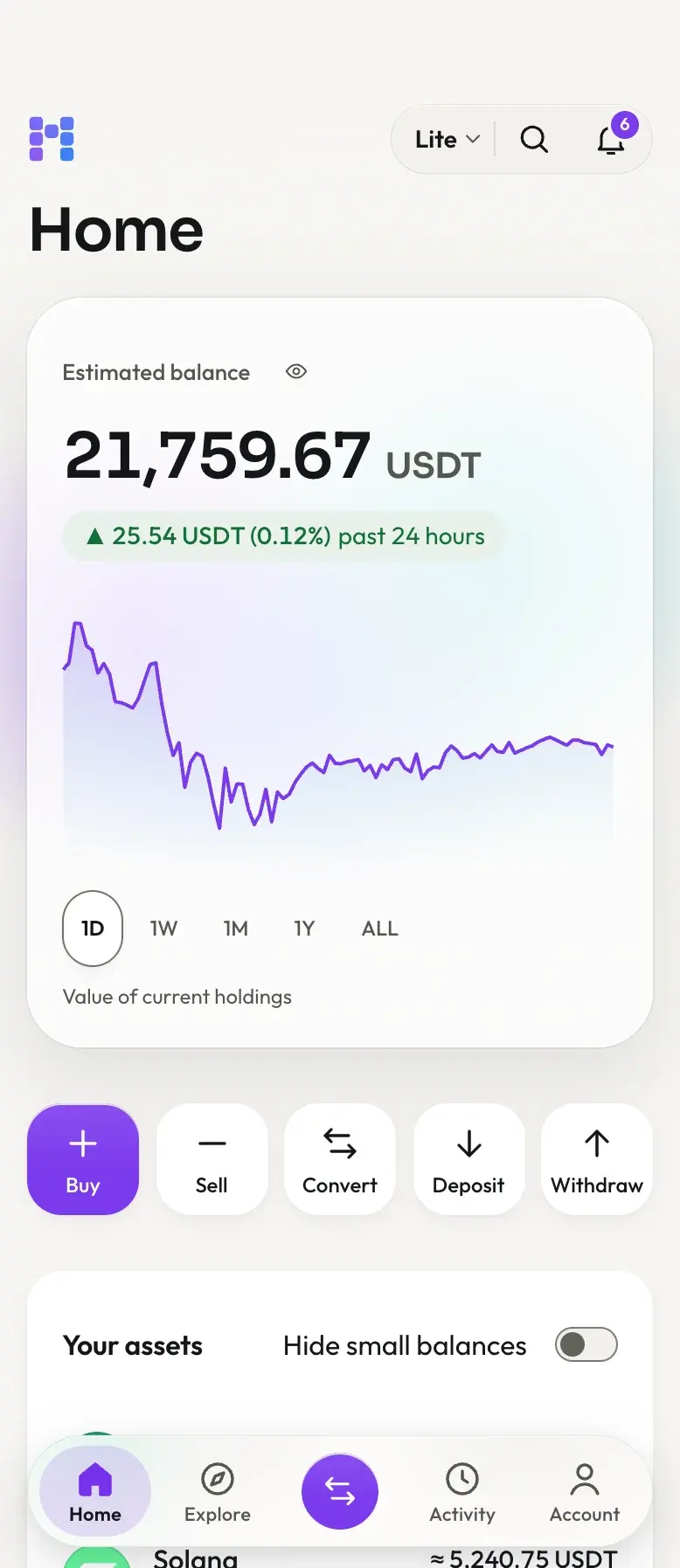 Crypto exchangeSpot trading in Lite and Pro, with an order book, wallets and a backoffice. Try it in Marengo.
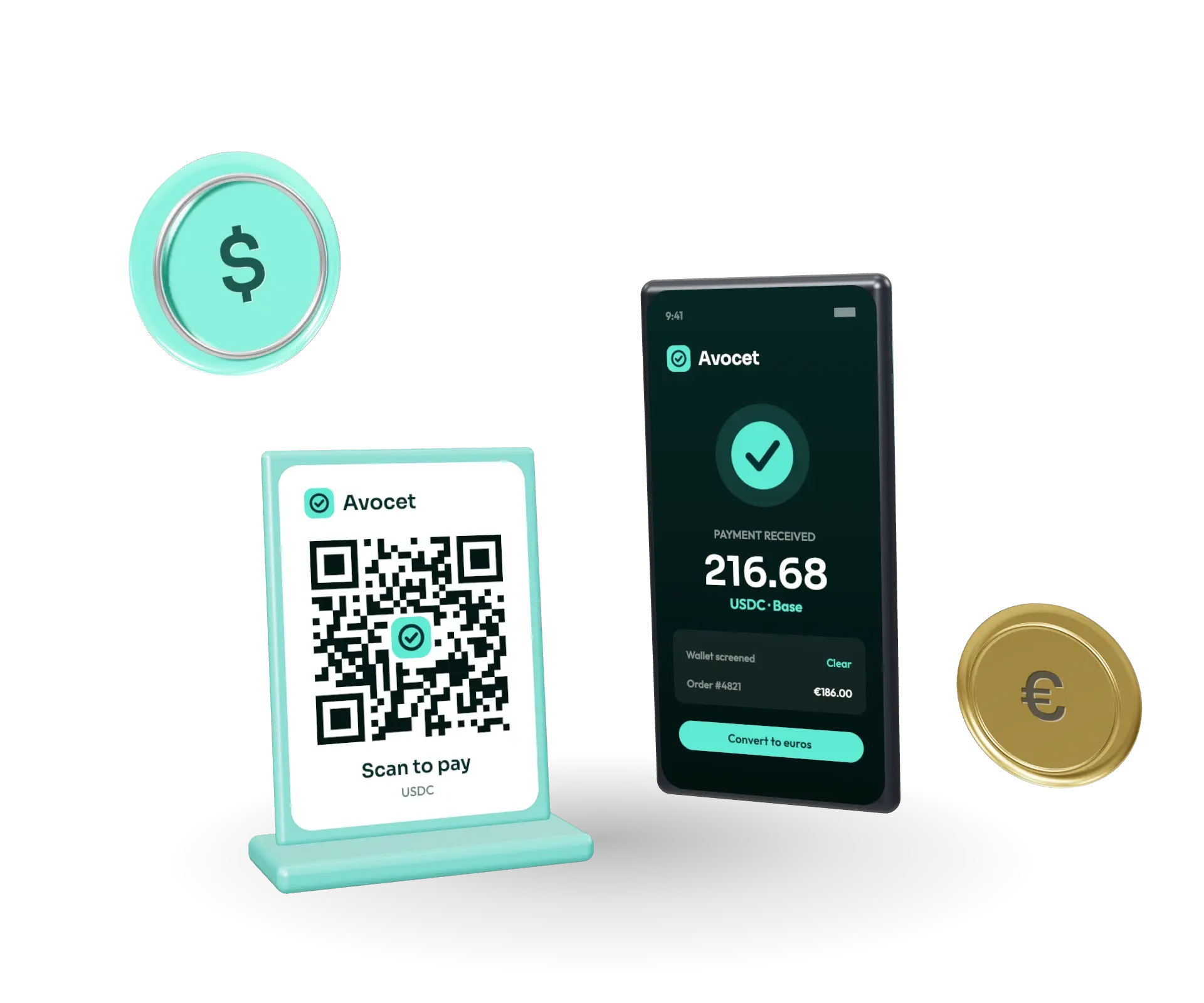 Stablecoin checkoutMerchants accept USDT and USDC online and by QR, then keep them or get paid out to their bank.
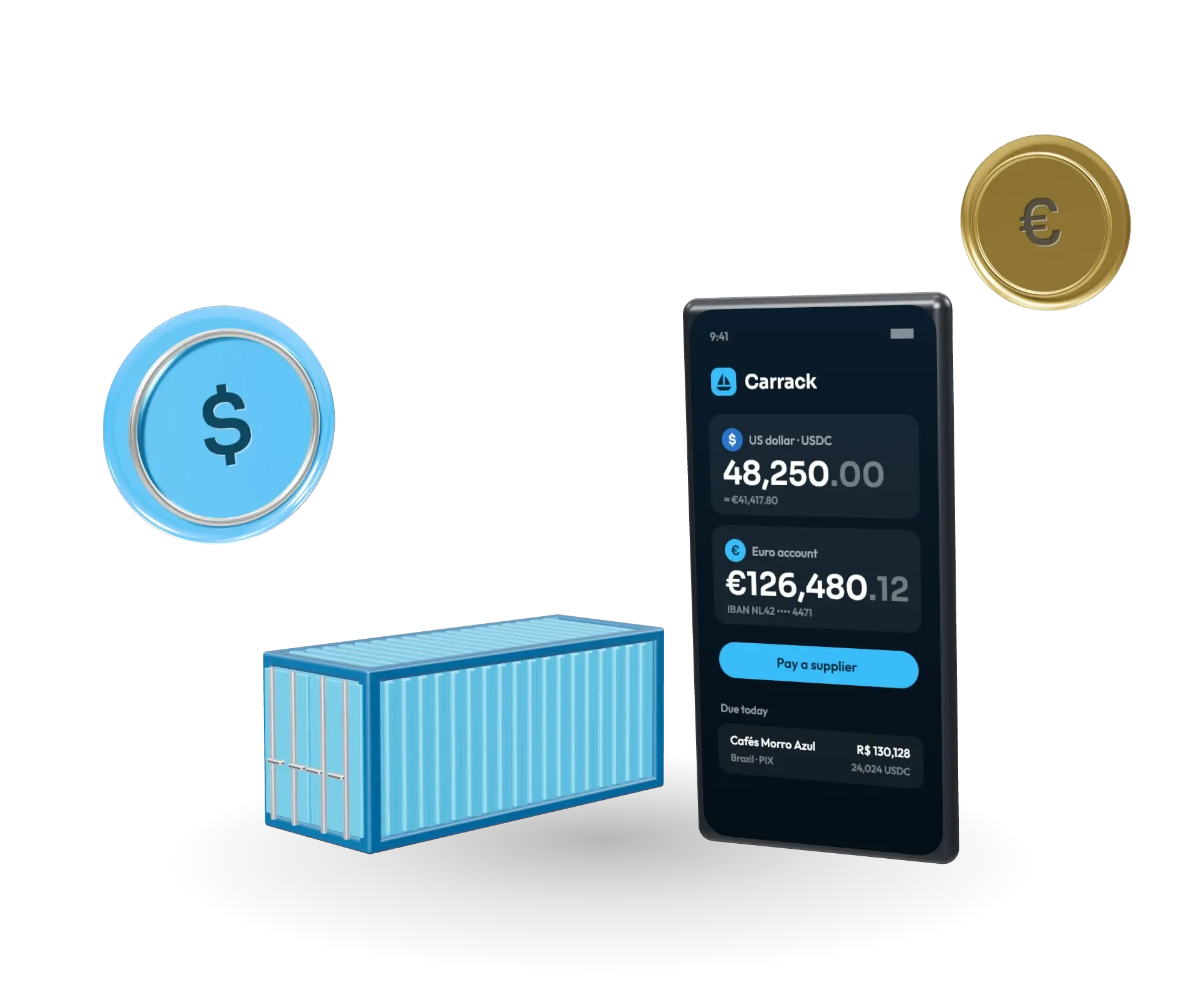 B2B stablecoin paymentsDollars as stablecoins, to pay suppliers abroad and get paid.
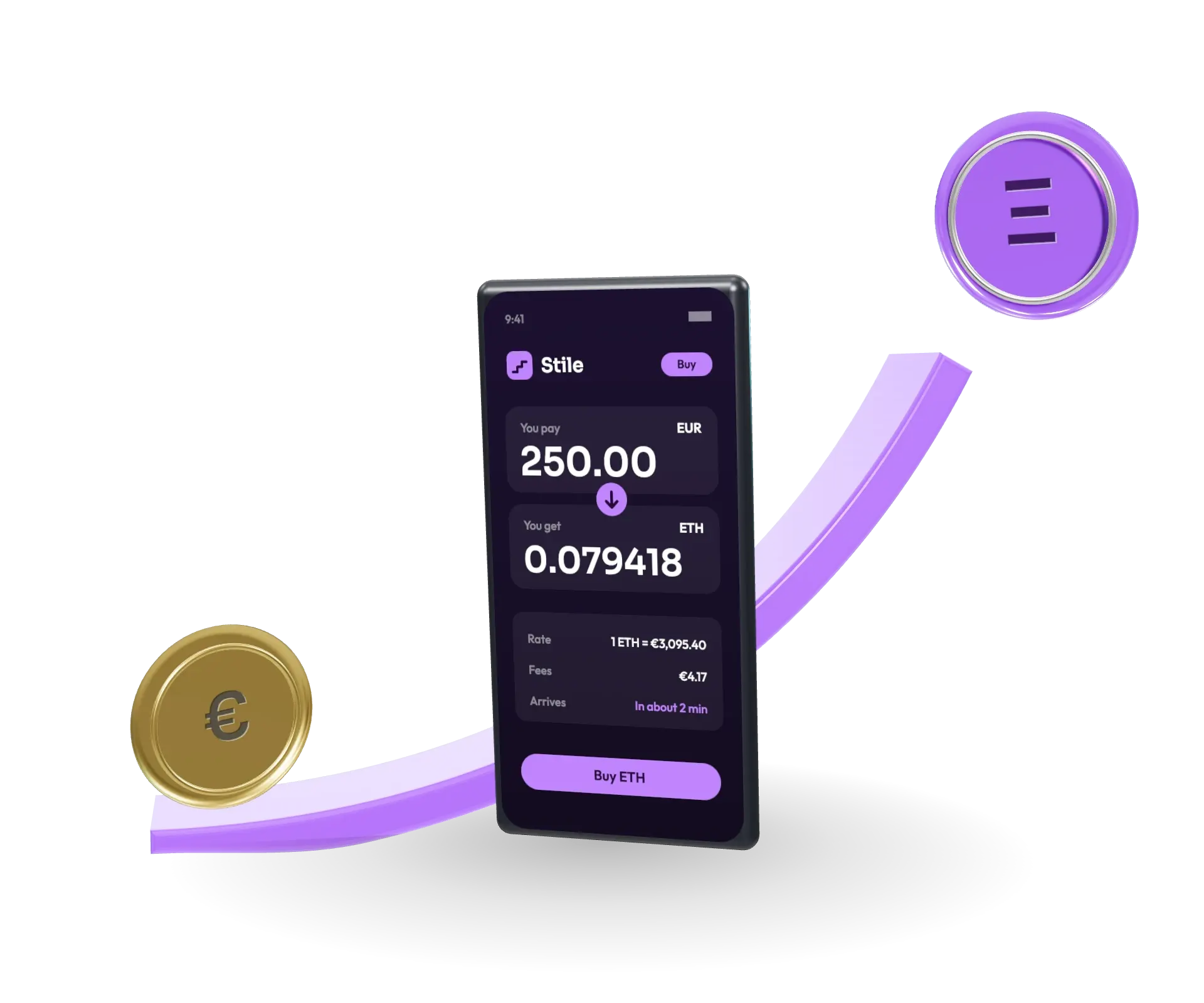 Crypto on-rampLet people buy and sell crypto inside wallets, games and marketplaces, by bank transfer or from another wallet.
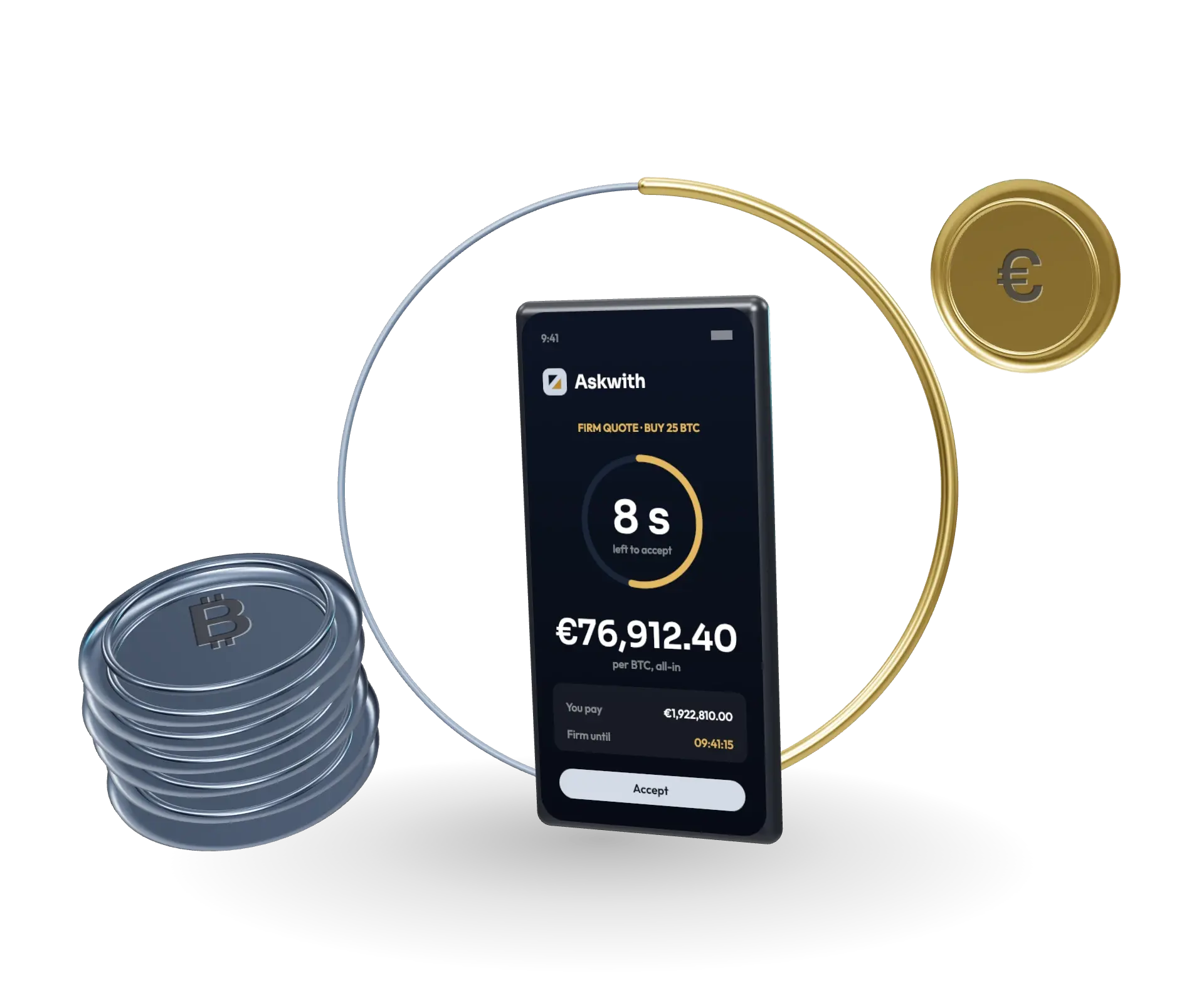 Crypto OTC deskFirm quotes for large crypto trades, settled from custody, under your brand.
- Anything else you buildThe same modules assemble into the product you have in mind. Tell us what it is.
Questions
What buyers ask about the Custody & wallets module.
Which chains does the custody module support?
Bitcoin, Ethereum, Tron, Solana, Polygon, BNB Chain, Arbitrum and Base, with their tokens. Ethereum and the other EVM chains share one connector, so another EVM chain is mostly configuration; Bitcoin, Tron and Solana each have their own, and a chain outside the list needs a new connector. The same stablecoin on two chains is two separate currencies in the ledger.
Can we hold the keys ourselves?
Yes. With self-custody, the keys stay in your own HSMs or MPC cluster, you run your own nodes, and the module signs through them under your approval quorum. With a custody provider, Fireblocks, BitGo, Copper, Cobo or Ledger Enterprise manage the keys, each in its own model, from MPC key shares to HSMs. Your limits, screening and approvals work the same way on both.
Do we need a licence to offer crypto custody in the EU?
Yes. Under MiCA, custody and administration of crypto-assets may only be offered by an authorised crypto-asset service provider, or by a bank or other financial firm that MiCA allows. The transitional periods for firms already active under national law ended on 1 July 2026 at the latest. If another firm keeps the assets for you, it must be authorised under MiCA too, and your customers must be told.
How are our customers' assets kept apart from ours?
MiCA asks a custodian to segregate customers' crypto-assets from its own, legally, operationally and on the distributed ledger itself, and to keep a register of each customer's positions. In the module, every customer has their own deposit addresses and their own balance in the ledger, built from entries and reconciled with the chain. The wallets themselves are set up with you, on your custody provider or your own keys, to follow your custody policy.
How does the custody module handle the Travel Rule?
Together with the compliance reporting module, which exchanges Travel Rule data with other providers through Notabene, Sygna, 21 Analytics or the Travel Rule Protocol, and checks incoming data before a deposit is credited. In the EU, the Transfer of Funds Regulation applies to crypto-asset transfers of any amount. For transfers to or from a self-hosted wallet above the threshold it sets, the provider must also assess whether its customer owns or controls that wallet.
Can we change custody provider later?
Yes. Limits, screening, approvals and reconciliation belong to the module, not to the provider, so a move means transferring the funds and giving customers new deposit addresses. Your apps, your approval rules and your records stay as they are, and we add a connector if we do not have one for the new provider yet.








Start your project
Tell us the idea. We'll show you the platform.
One call is enough to map your product to the modules that already exist.
- Response in under one business day
- NDA on request
- No obligation