MOD-PAY · Payouts module Money out, on the fastest rail that reaches it.
Send withdrawals to crypto wallets on every chain you support, and fiat off-ramp payouts to bank accounts. The module picks the rail for each payment, tracks it to arrival and posts every step to the ledger.
- 8connectors
- +1your own, too
- Faster Payments
- On-chain transfers
- ACH
- SEPA
- Your own
- SEPA Instant
- SWIFT
- SPEI
- PIX


- 01 · The job
Every payout, tracked to arrival.
Customers, merchants and partners get paid on the chain or rail that is fastest and cheapest for the asset and amount: on-chain for crypto and stablecoins, instant bank rails for off-ramp withdrawals. Each payout is screened, tracked and retried until it lands.
- Bank transfers on local and instant rails
- Crypto payouts to any wallet
- Batch and scheduled payouts
- Screening before every payment
- Status tracking, returns and retries
- 02 · The connectors
Chains and bank rails.
The module routes each payout through the provider with the best coverage, speed and price for it, with a fallback if one is down. Adding a country usually means adding a connector, not changing the app.
On-chain
- On-chain transfers
- 03 · Your own
Your bank partners first.
Fiat withdrawals go through your own banking partners, and crypto withdrawals through your custody. The routing rules are yours: by country, currency, amount or cost.
In-house, or a provider you already use- Your custody and banking partners
- Your routing rules
- Your approvals for large payouts
Building your own instead? Hire our crypto engineers through Paynoramic Outsourcing
How it works
How the Payouts module works, from request to arrival
- 01
A payout is requested
A customer cashes out, a merchant's settlement falls due or a partner is owed, one at a time, in a batch or on a schedule. The module checks the balance and holds the amount in the ledger.
- 02
It is screened
Every payout is screened before any money moves, crypto payouts included, and large ones wait for the approvals you set.
- 03
The rail is chosen
Your routing rules pick the rail for each payout by country, currency, amount or cost: a wallet on-chain for crypto and stablecoins, or a bank rail for fiat withdrawals.
- 04
A provider sends it
Your custody sends crypto withdrawals on-chain, and your bank partner sends fiat withdrawals, each reporting its status back. If a provider is down, the payout is retried through the fallback.
- 05
It lands, or comes back
On arrival, the ledger books the payout and the app shows it as paid. A return is matched to the original payout, the ledger reverses it, and the customer or merchant sees the bank's reason.
What Payouts needs from outside the software
Licensed partners to carry the money, each under a contract we help you get: your custody provider for on-chain withdrawals, and your bank or e-money partner for the fiat rails it reaches. For euros, the Instant Payments Regulation has required banks in the euro area to receive instant transfers since 9 January 2025 and to send them since 9 October 2025. Payment and e-money institutions in the euro area have until 9 April 2027, and providers elsewhere in the EU until 9 July 2027 to send them, so we check where your partner stands before planning instant euro payouts.
Where it runs
In these platforms, and in yours.
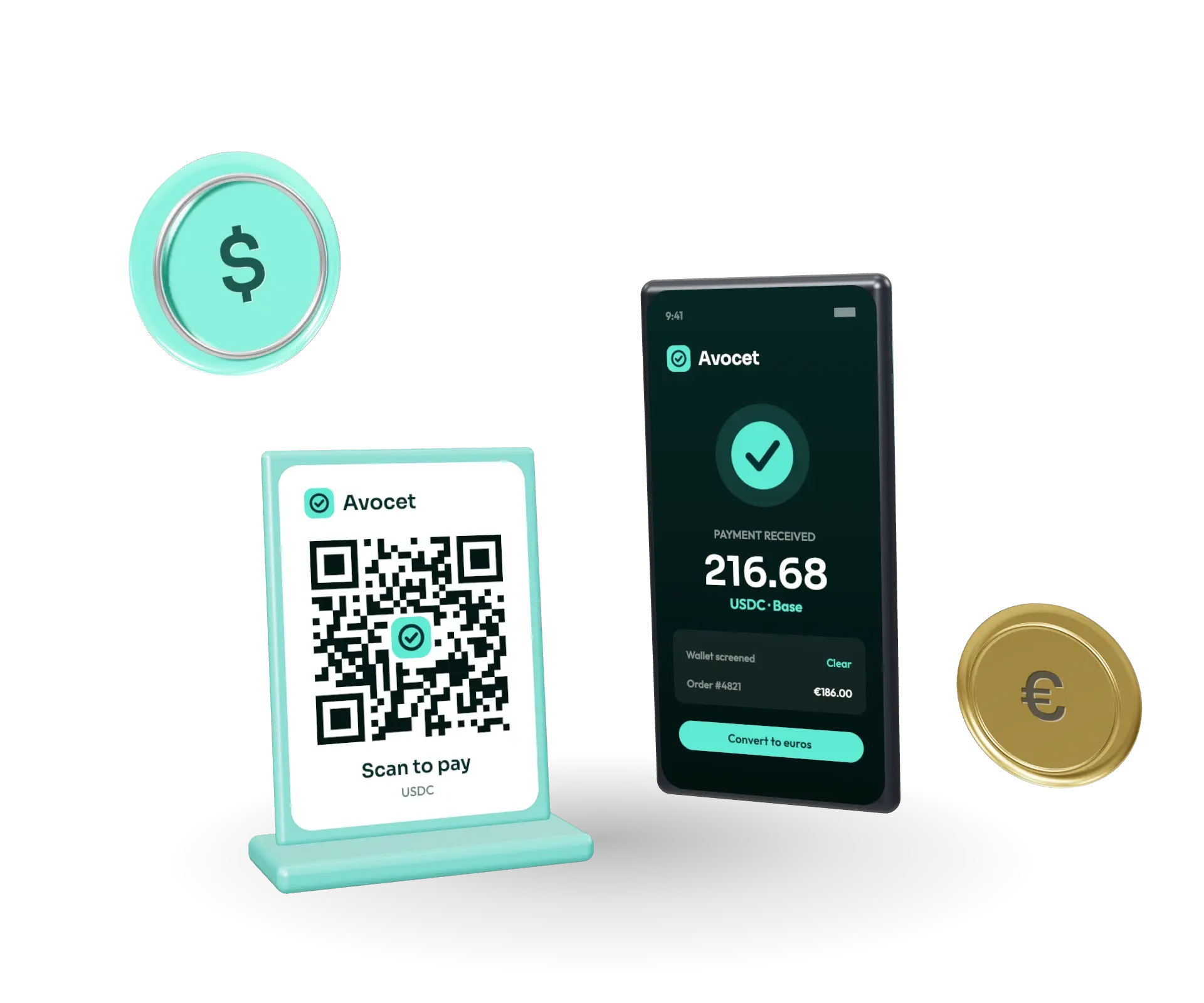 Stablecoin checkoutMerchants accept USDT and USDC online and by QR, then keep them or get paid out to their bank.
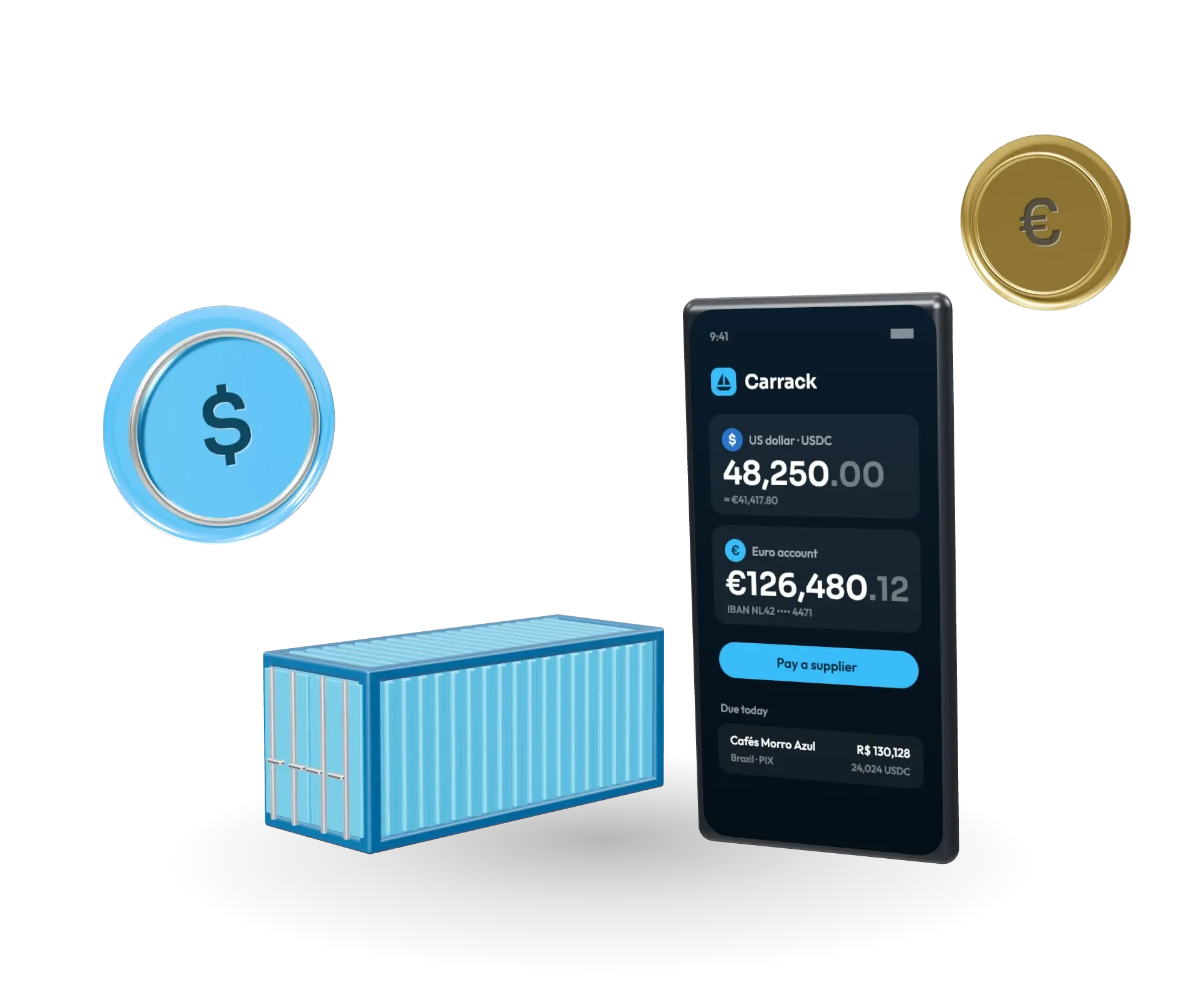 B2B stablecoin paymentsDollars as stablecoins, to pay suppliers abroad and get paid.
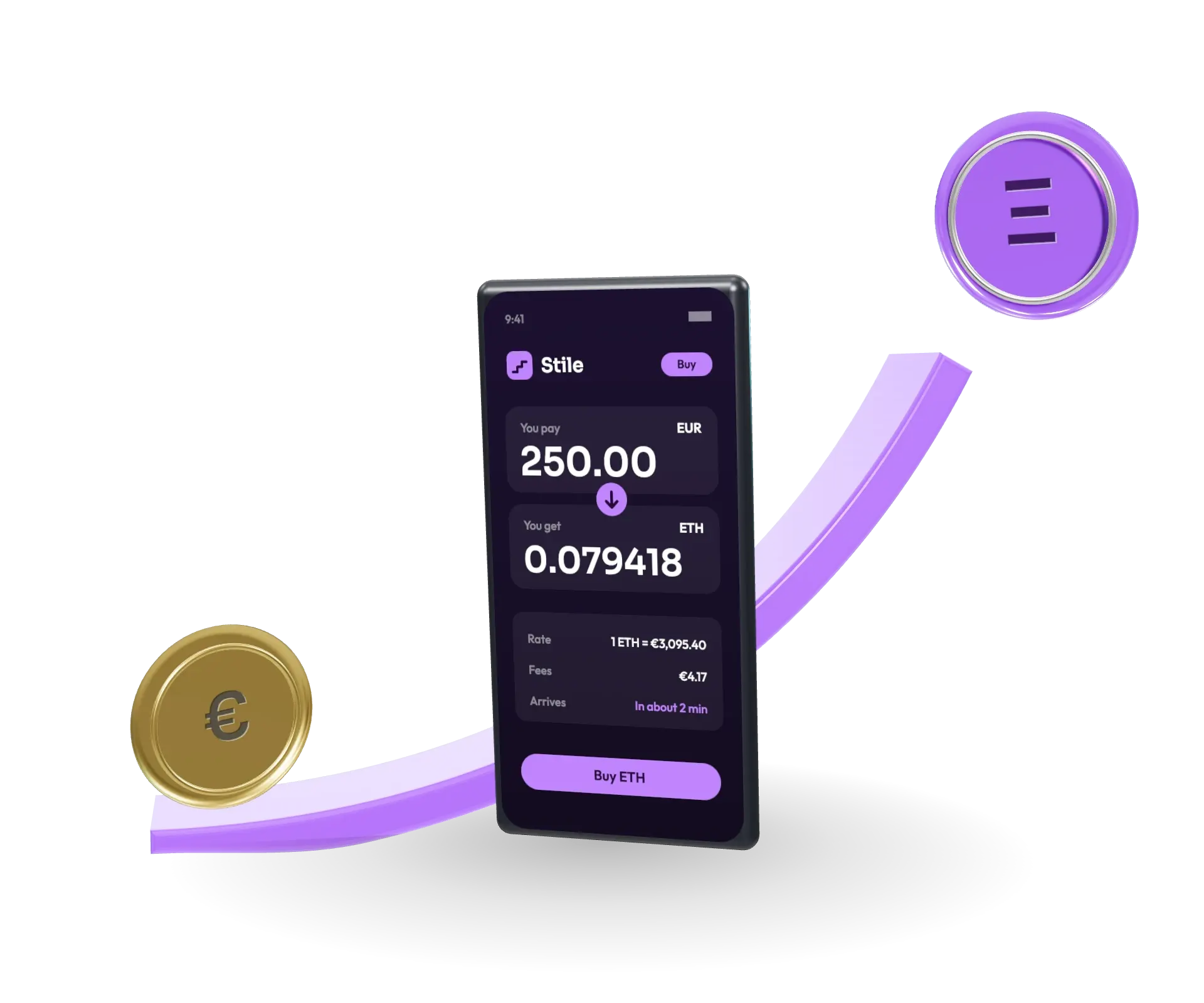 Crypto on-rampLet people buy and sell crypto inside wallets, games and marketplaces, by bank transfer or from another wallet.
- Anything else you buildThe same modules assemble into the product you have in mind. Tell us what it is.
Questions
What buyers ask about the Payouts module.
Can payouts be instant?
Where the rail allows it, yes. SEPA Instant, Faster Payments and PIX arrive in seconds at any hour, and for SEPA Instant the Instant Payments Regulation gives the payee's bank ten seconds to make the money available. On-chain withdrawals arrive as soon as the network confirms them. Elsewhere, the recipient is told when to expect it.
What happens when a payout bounces?
The return is matched to the original payout, the ledger reverses it, and the customer or merchant is told the bank's reason, such as a closed account or one that cannot be found. ACH returns carry a standard R code that says why, and a PIX payout to a key that does not exist fails straight away, releasing the held amount. Your team sees every return and its reason in the backoffice.
How does the module choose the rail?
By your routing rules: country, currency, amount or cost. Euros go by SEPA Instant where the receiving bank takes it and by standard SEPA where it does not, pounds by Faster Payments, US dollars inside the US by ACH, pesos by SPEI and reais by PIX, with SWIFT for whatever no local rail reaches. Each route can have a second provider as a fallback if the first is down.
Can we pay many people at once?
Yes. Payouts can go one at a time, as a batch, such as a day's seller earnings, or on a schedule. Each payout in a batch is screened, routed to its own rail and tracked to arrival, so one instruction can pay recipients in several countries. Large payouts can wait for a second approval before they leave.










Start your project
Tell us the idea. We'll show you the platform.
One call is enough to map your product to the modules that already exist.
- Response in under one business day
- NDA on request
- No obligation