MOD-LDG · Ledger module Every balance, accounted for twice.
A double-entry ledger is the source of truth for every account, fee, transfer and trade on the platform. It never loses a cent, never counts one twice, and reconciles itself against banks, liquidity providers and blockchains.
- 7connectors
- +1your own, too







- 01 · The job
The numbers always add up.
Every movement is recorded as balanced debits and credits, in real time and in any currency or token. Balances are derived from the entries, never edited, so the history explains every number and an auditor can replay any day.
- Double-entry accounting in real time
- Fiat currencies and crypto assets in one book
- Holds, reservations and pending balances
- Fees, interest and revenue accounts
- Daily reconciliation against external statements
- Statements and audit exports
- 02 · The connectors
Reconciled with everything around it.
The ledger reads statements from banks, fills from liquidity providers and confirmations from blockchains, and matches them entry by entry. Your accountants get the same numbers in the tools they already use.
Built by Paynoramic
Bank statements
- ISO 20022 (camt.053)
- SWIFT MT940
Accounting and ERP
Data and reporting
- 03 · Your own
Your core, your chart of accounts.
The ledger runs as the core of your platform, with the source code and the data handed over at launch.
In-house, or a provider you already use- Run it as your core
- Your chart of accounts
- Your accounting tools
Building your own instead? Hire our crypto engineers through Paynoramic Outsourcing

How it works
How the Ledger works, from a payment to the month-end close
- 01
The amount is held
An order is placed or a withdrawal is requested, and the module puts a hold on the amount. The customer's available balance drops at once, before any money has moved.
- 02
The payment is booked twice
When the payment completes, it is recorded as balanced debits and credits in its own currency or token, with any fee on your revenue accounts. The hold is released, and the balance follows from the entries.
- 03
The day is reconciled
The ledger reads bank statements in camt.053 or MT940, fills from liquidity providers and confirmations from blockchains, and matches them entry by entry. Any difference waits in a queue in the backoffice.
- 04
Finance gets the same numbers
Each day's totals go to Xero, QuickBooks, NetSuite or SAP as journals on your chart of accounts. Every entry can also flow to BigQuery, Snowflake or PostgreSQL for your analysts.
- 05
Any day can be replayed
Statements and audit exports come straight from the entries. Because no balance is ever edited, an auditor can replay any day, from its opening balances to its reconciliation.
What the Ledger needs from outside the software
Nothing beyond the contracts of the tools you connect to it. The ledger is software, handed over with its source code and data. Statements come from your banks and banking partners; Xero, QuickBooks, NetSuite, SAP, BigQuery and Snowflake each need an account and a contract, which we help you get, and PostgreSQL is open source.
Where it runs
In these platforms, and in yours.
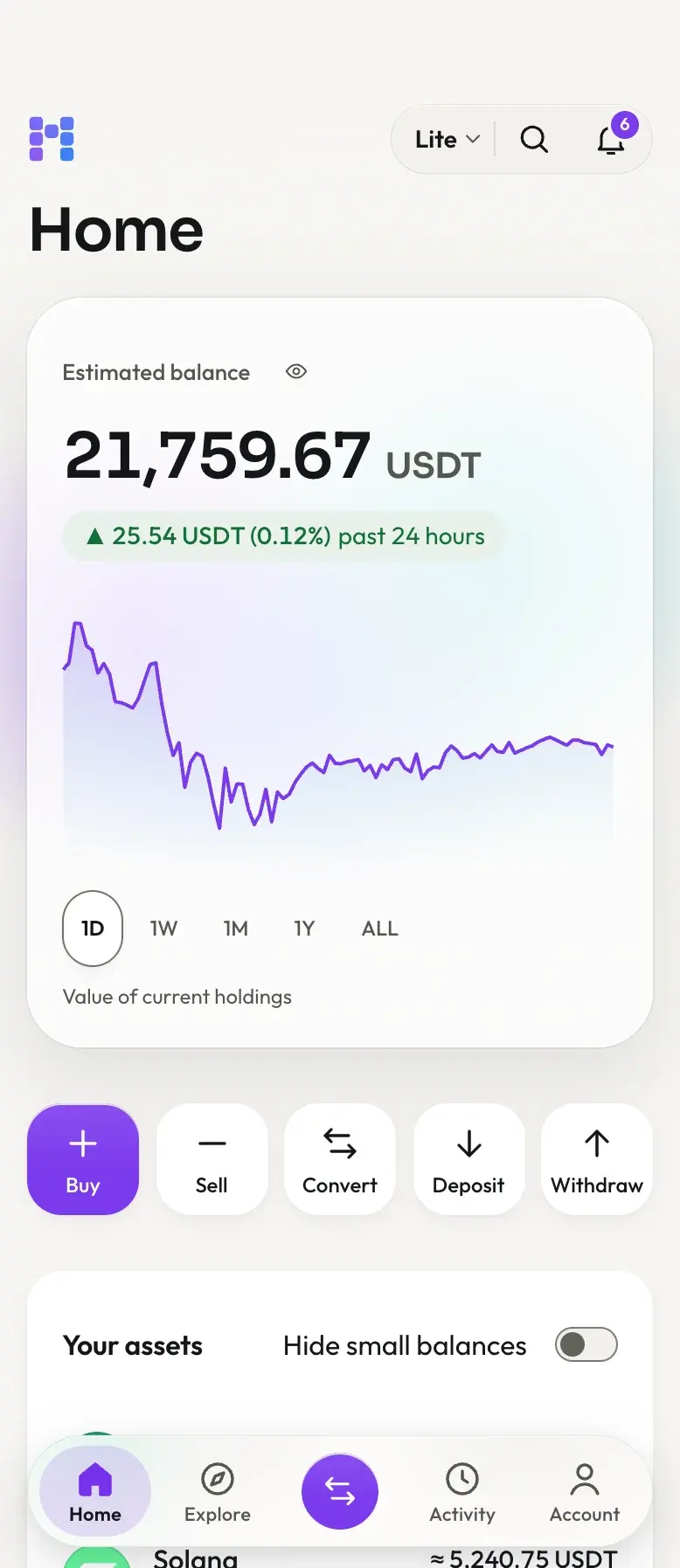 Crypto exchangeSpot trading in Lite and Pro, with an order book, wallets and a backoffice. Try it in Marengo.
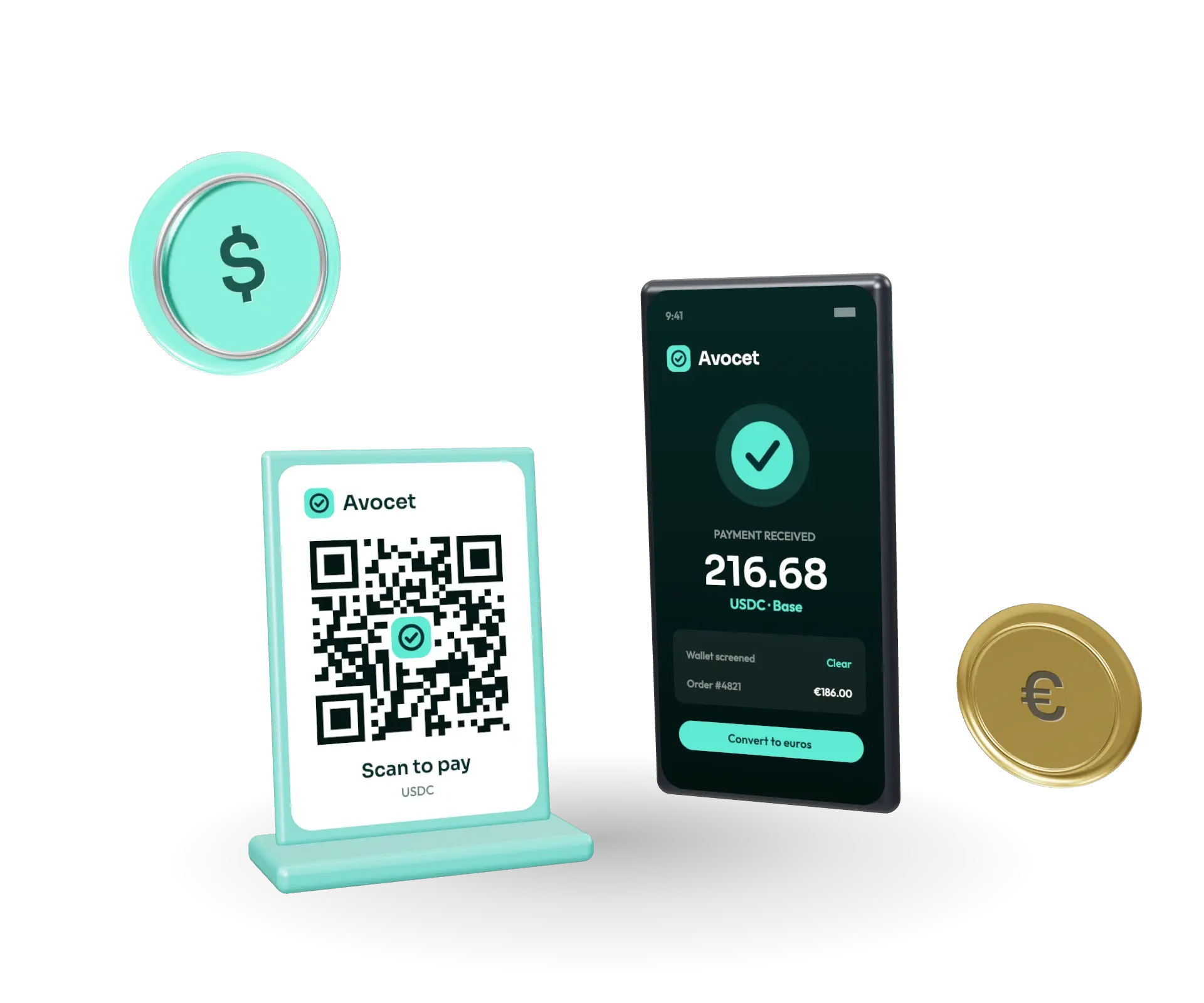 Stablecoin checkoutMerchants accept USDT and USDC online and by QR, then keep them or get paid out to their bank.
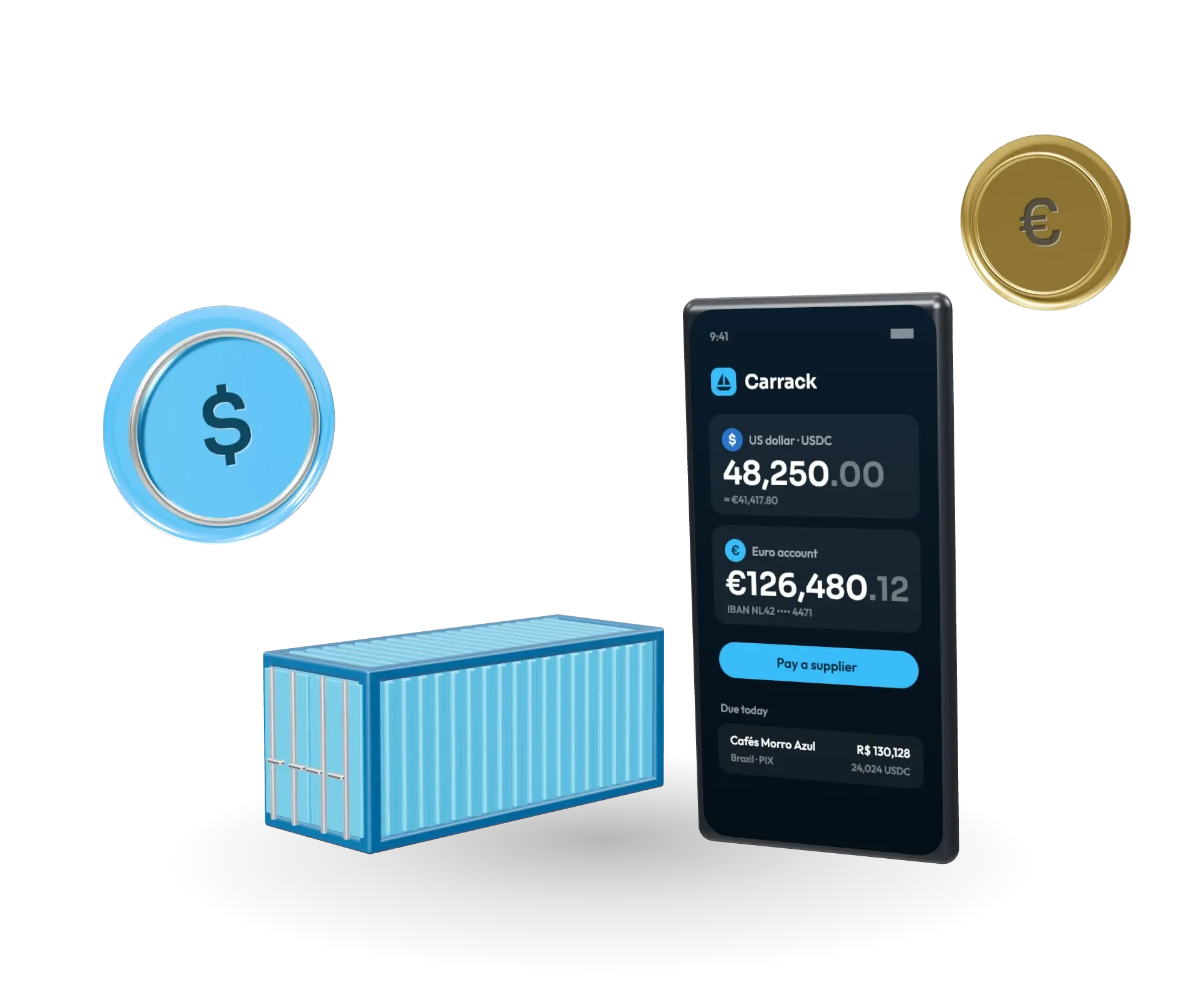 B2B stablecoin paymentsDollars as stablecoins, to pay suppliers abroad and get paid.
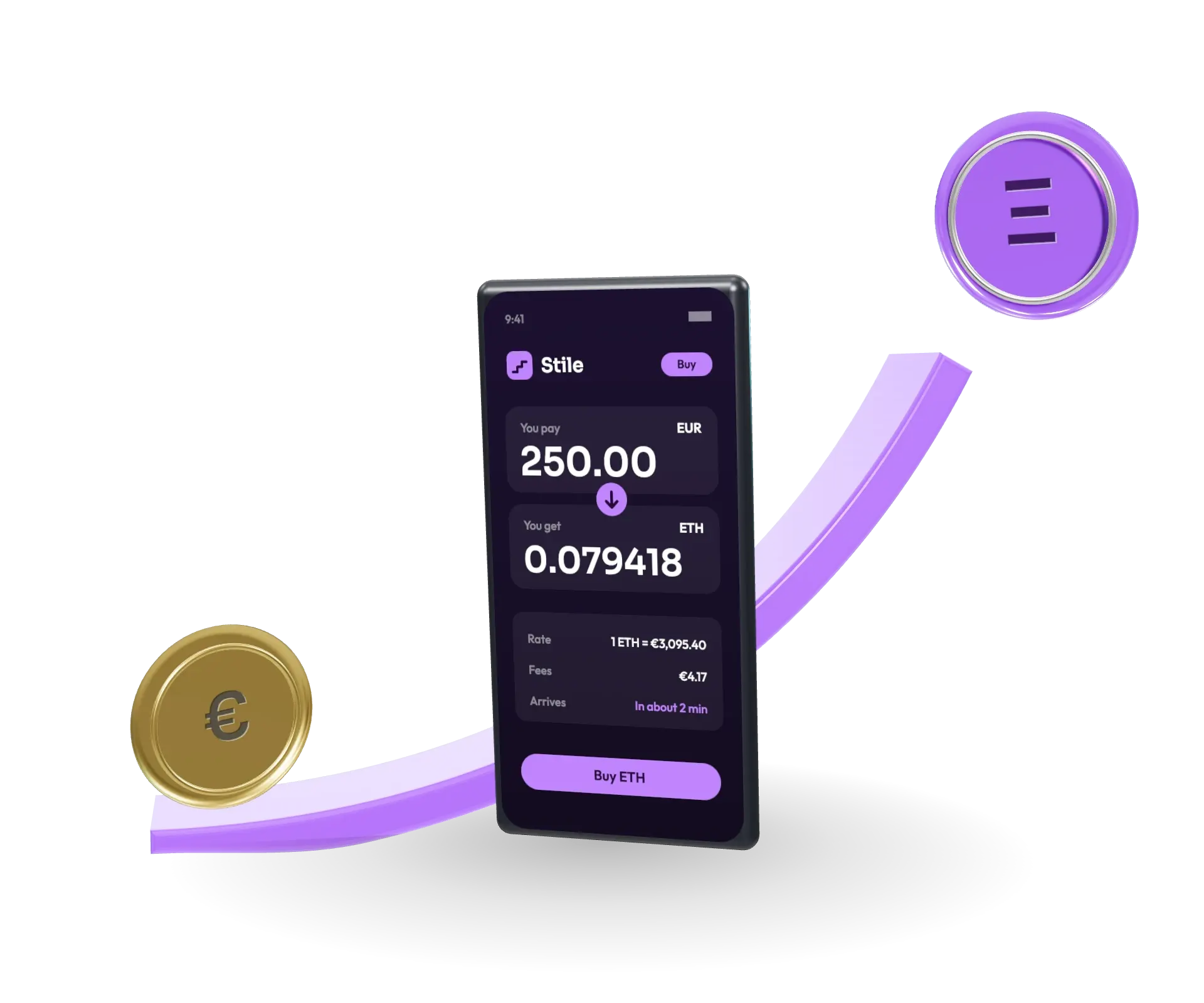 Crypto on-rampLet people buy and sell crypto inside wallets, games and marketplaces, by bank transfer or from another wallet.
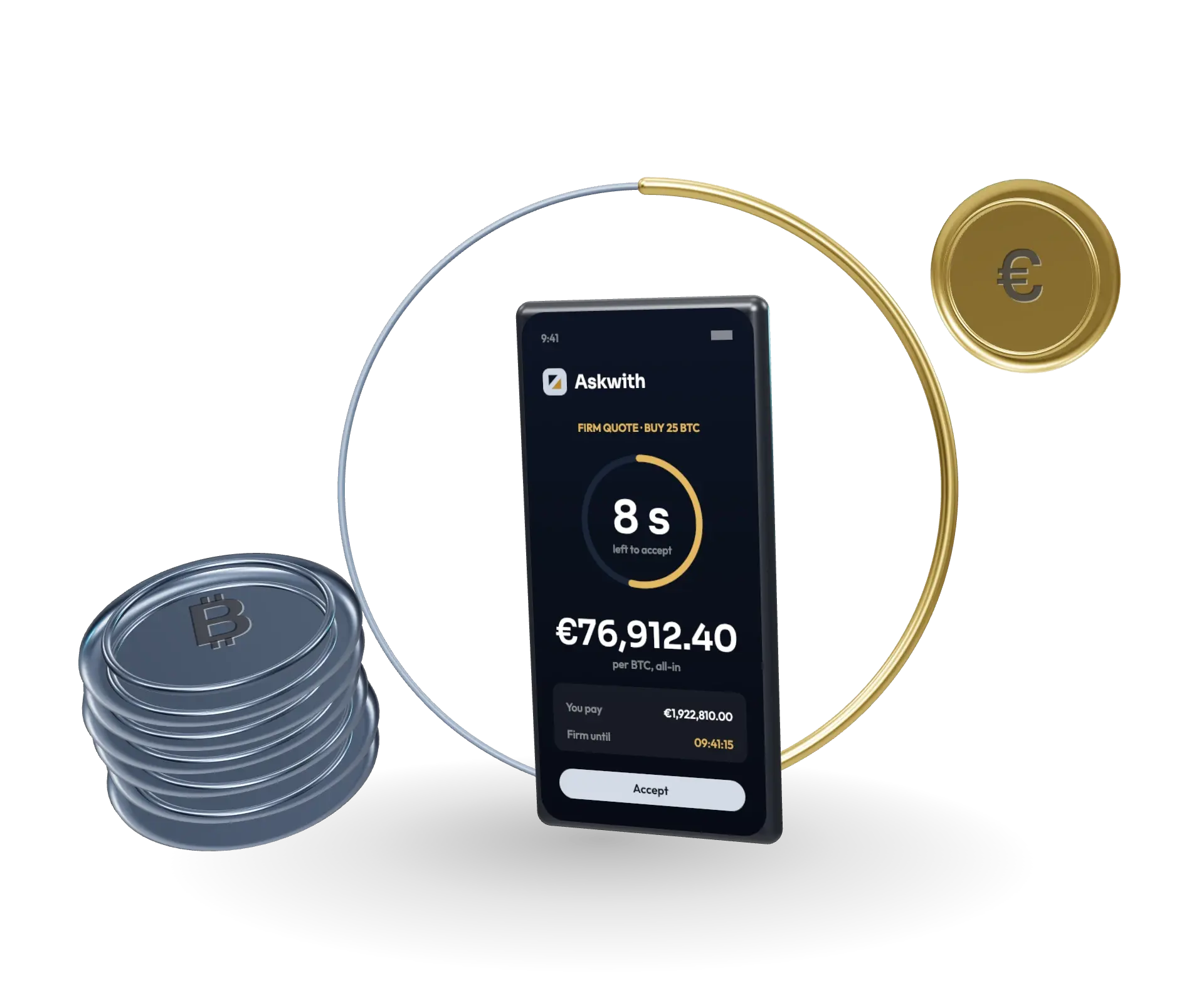 Crypto OTC deskFirm quotes for large crypto trades, settled from custody, under your brand.
- Anything else you buildThe same modules assemble into the product you have in mind. Tell us what it is.
Questions
What buyers ask about the Ledger module.
Can the ledger hold crypto and fiat together?
Yes. Every asset, from euros to USDT on several chains, is a currency in the same ledger with its own precision. Trades, deposits and withdrawals share one set of books, so a stablecoin payout that converts from another asset is one set of balanced entries, not two systems to reconcile.
How do you prove the balances are right?
Twice over. Inside the ledger, every balance is the sum of entries whose debits and credits match, and no balance is ever edited, so each number traces back to the movements behind it. Outside it, a daily reconciliation compares the ledger with every bank, liquidity provider and blockchain the platform uses. Any difference goes to a queue in the backoffice.
How are refunds and returned payments recorded?
With new entries, never by changing old ones. A refund, a reversed deposit or a returned payout is booked as entries that reverse the original and are matched to it. The history keeps both, the balance follows, and an auditor replaying that day sees the payment and its reversal side by side.
Will our accountants see every customer transaction?
No, and that is deliberate. Each day's entries are summed per account and posted to Xero, QuickBooks, NetSuite or SAP as journals mapped to your chart of accounts, each traceable to the ledger day behind it. Every single entry stays in the ledger, searchable in the backoffice, and can also go to a data warehouse for your analysts.







Start your project
Tell us the idea. We'll show you the platform.
One call is enough to map your product to the modules that already exist.
- Response in under one business day
- NDA on request
- No obligation