MOD-AUTH · Authentication module Sign-in your customers trust, on the identity stack you choose.
Passkeys, biometrics, one-time codes and social sign-in for customers; single sign-on for your staff. The module works with the identity providers enterprises already run, or brings its own.
- 14connectors
- +1your own, too









- 01 · The job
Secure by default, quick every day.
Customers sign in with a passkey or Face ID, confirm payments with a second factor, and recover access without calling support. Sessions, devices and trusted browsers are managed per user, and staff sign in to the backoffice through your company's single sign-on.
- Passkeys and device biometrics
- One-time codes by app, SMS or email
- Strong customer authentication for payments (PSD2)
- Device binding and trusted devices
- Session management and remote sign-out
- Single sign-on for staff
- 02 · The connectors
Keycloak, Okta, Auth0, or plain OAuth.
The module speaks the standards, OAuth 2.0, OpenID Connect and SAML, so it sits behind the identity provider you already run. Social sign-in and second factors plug in the same way.
Identity providers
Social sign-in
Second factors
- Passkeys (WebAuthn)
- Authenticator apps (TOTP)
- Twilio Verify
- Push approval in your app
- 03 · Your own
Your identity provider stays in charge.
Any provider that speaks OpenID Connect or SAML connects without custom code. If you have none, the module's own authorization server is deployed with your platform and handed over with the rest of the source.
In-house, or a provider you already use- Any OpenID Connect or SAML provider
- Or a self-hosted authorization server
- Your password, lockout and session policies
Building your own instead? Hire our crypto engineers through Paynoramic Outsourcing

How it works
How authentication works, from sign-up to a confirmed payment
- 01
The customer signs up
In your app, with a one-time code or with Sign in with Apple, Google or Microsoft. The account lives in your identity provider, such as Keycloak, Auth0 or AWS Cognito, or in the module's own sign-in server.
- 02
A passkey replaces the password
The app offers a passkey right after sign-up. The phone makes a key pair for your service only and asks for Face ID, a fingerprint or the PIN, and the module stores only the public key.
- 03
Each sign-in opens a device session
The module checks every token it receives on the server before it opens a session tied to the customer's device. Sessions, devices and trusted browsers are managed per customer, and any of them can be signed out remotely.
- 04
A payment asks for a second factor
Confirming a withdrawal or a transfer asks for a second factor on top of the session: the passkey again, a one-time code or an approval in your app.
- 05
Staff sign in with single sign-on
Your team reaches the backoffice through your company's identity provider, such as Okta or Microsoft Entra ID, and their directory groups decide their roles. When someone leaves, their access ends with their account.
What authentication needs from outside the software
Authentication needs nothing beyond your identity provider's contract, which we help you get. With Keycloak, which is open source, or the module's own sign-in server, it does not even need that. AWS Cognito and Firebase run in your own cloud account, Sign in with Apple in your Apple developer account, and codes by SMS go through a messaging provider such as Twilio, set up with our help. Where PSD2 applies, strong customer authentication is the payment service provider's duty, yours or your partner's, and PSD2's technical standards ask for at least two independent factors and, on remote payments, a code tied to the amount and the payee.
Where it runs
In these platforms, and in yours.
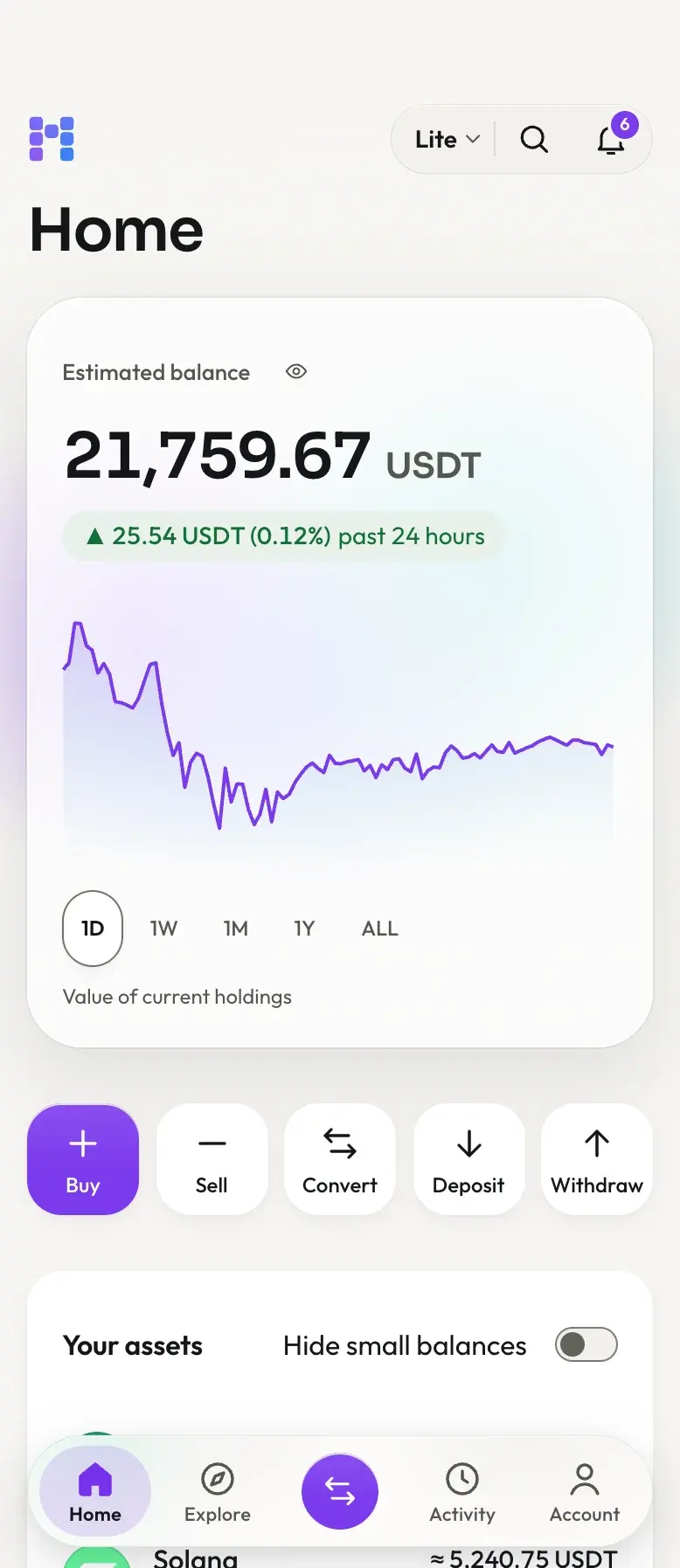 Crypto exchangeSpot trading in Lite and Pro, with an order book, wallets and a backoffice. Try it in Marengo.
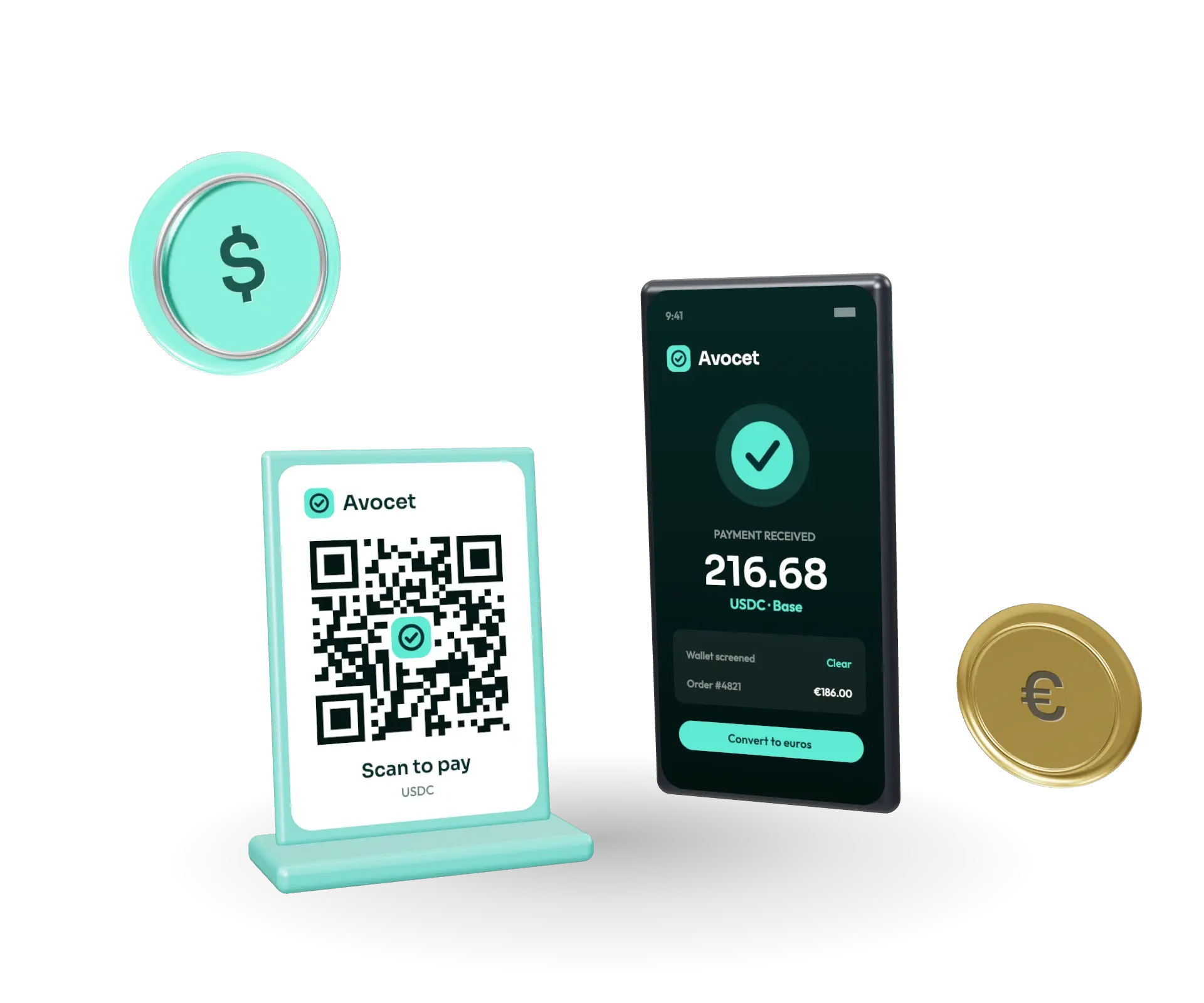 Stablecoin checkoutMerchants accept USDT and USDC online and by QR, then keep them or get paid out to their bank.
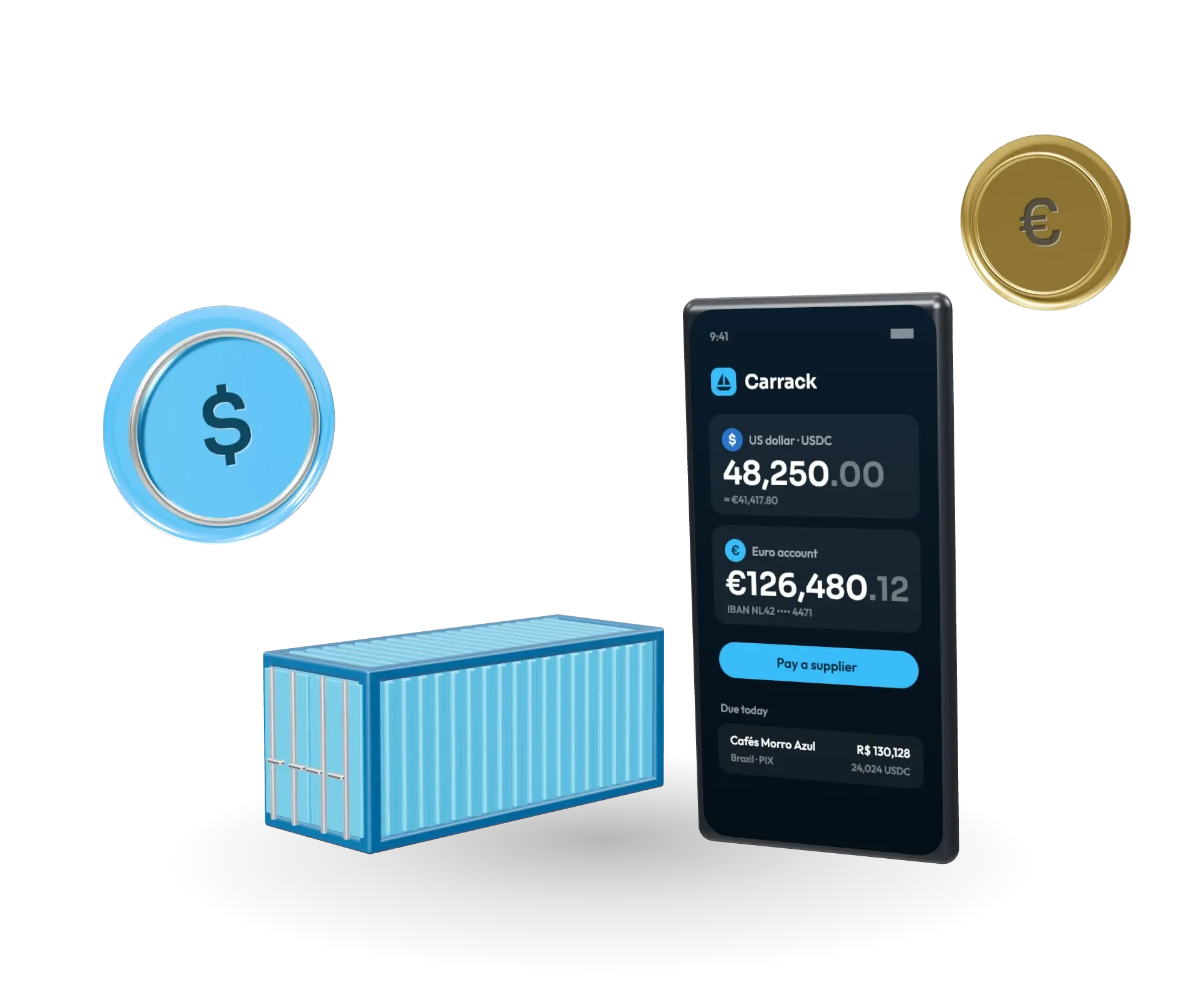 B2B stablecoin paymentsDollars as stablecoins, to pay suppliers abroad and get paid.
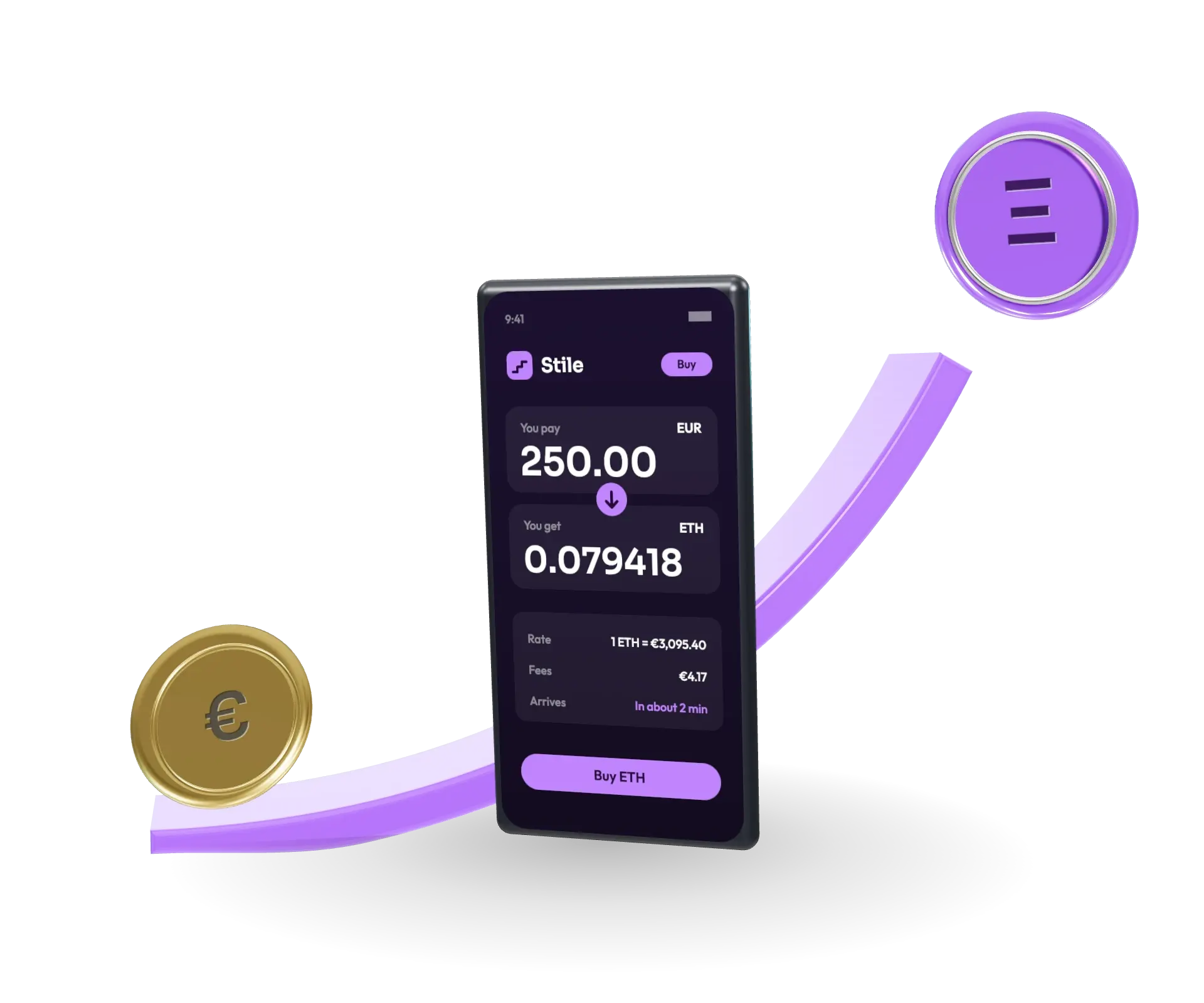 Crypto on-rampLet people buy and sell crypto inside wallets, games and marketplaces, by bank transfer or from another wallet.
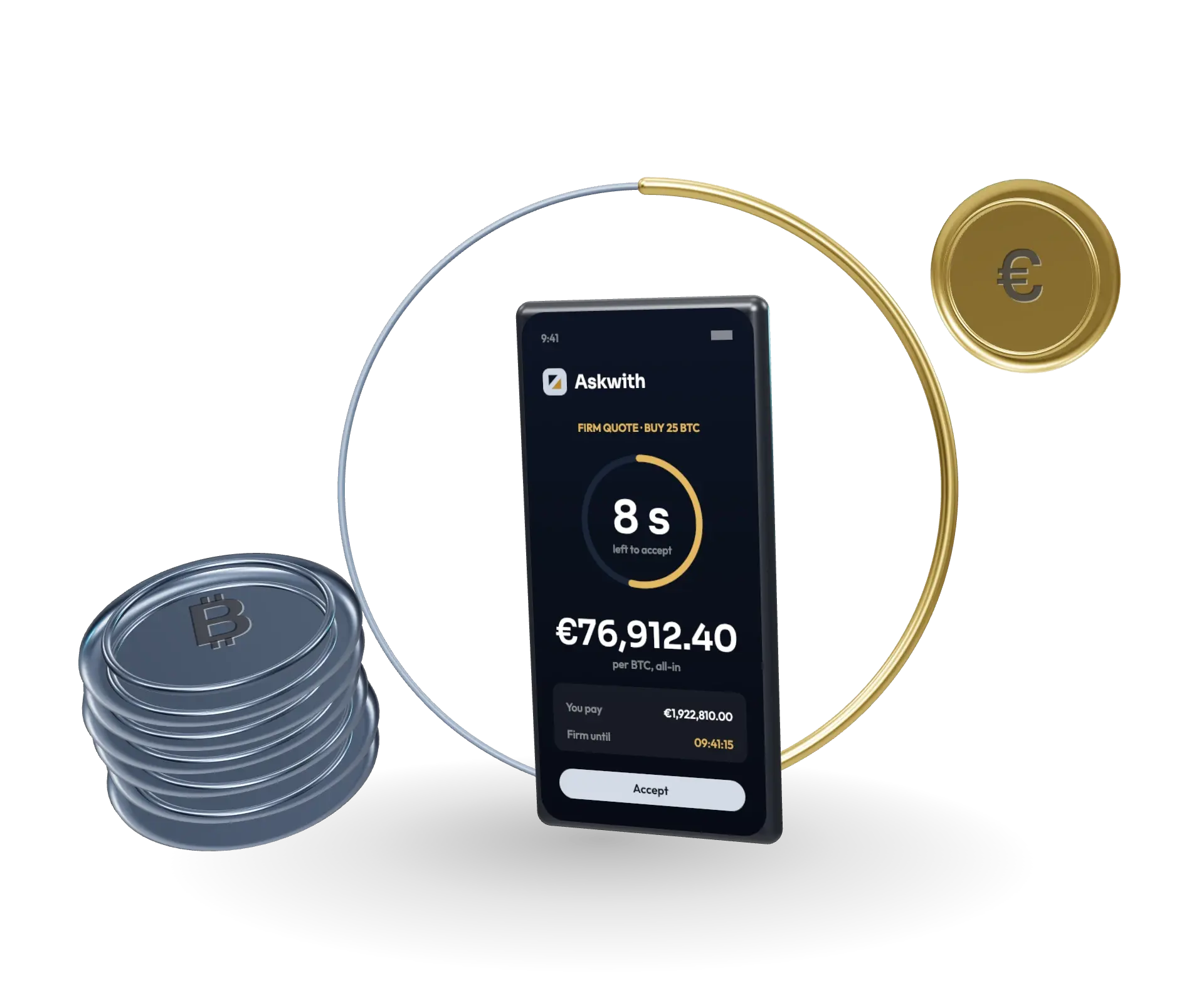 Crypto OTC deskFirm quotes for large crypto trades, settled from custody, under your brand.
- Anything else you buildThe same modules assemble into the product you have in mind. Tell us what it is.
Questions
What buyers ask about the Authentication module.
Do customers need a password?
No. Passkeys and device biometrics can replace passwords entirely, with one-time codes as the fallback on devices that do not support passkeys. A passkey only works on the app or website it was made for, so a fake site cannot use it, and the platform stores only public keys: nothing a thief could sign in with.
Can staff use our company login for the backoffice?
Yes. Staff sign in through your company's identity provider with single sign-on, whether that is Okta, Microsoft Entra ID, Google Workspace or Keycloak. Their directory groups can decide their roles, the sign-in policies your IT team set apply before they reach the backoffice, and deactivating someone in your directory ends their access.
How does strong customer authentication work for payments?
When a customer confirms a withdrawal or a transfer, the module asks for a second factor on top of the signed-in session: the passkey again, a one-time code or an approval in your app. Under PSD2, the technical standards ask for at least two independent factors and, on remote payments, a code tied to the amount and the payee. Twilio Verify's PSD2 mode does that for one-time codes.
Can we keep our existing identity provider?
Yes. Any provider that speaks OpenID Connect or SAML connects without custom code, from Keycloak and Ping Identity to Okta, Auth0 and Microsoft Entra ID, so your customers keep their accounts and the way they sign in. If you have none, the module's own sign-in server is deployed with your platform and handed over with the rest of the source.
What happens when a customer loses their phone?
Passkeys synced through Apple, Google or a password manager come back on the new phone. Device-bound ones stay behind, and the module's recovery flow lets the customer back in without calling support, after which they make a new passkey. Meanwhile, the lost phone can be signed out remotely.
How long can a customer stay signed in?
As long as your session policy allows, per device, with remote sign-out when it is needed. Where PSD2 applies to online access to a payment account, its technical standards cap inactivity after sign-in at five minutes and allow no more than five failed attempts in a row before access is blocked. The module applies the session and lockout policies you set.










Start your project
Tell us the idea. We'll show you the platform.
One call is enough to map your product to the modules that already exist.
- Response in under one business day
- NDA on request
- No obligation