MOD-FRD · Fraud & risk module Stop fraud before it costs you, not after.
Every sign-up, login, trade and transfer is scored in real time against your rules and the signals of leading fraud engines. Suspicious activity is held, challenged or blocked, and lands in a case queue for your team.
- 5connectors
- +1your own, too




- 01 · The job
Decisions in milliseconds, cases for people.
The module combines device, behaviour and transaction signals into a risk score for each event, then applies your rules: allow, ask for a second factor, hold for review or block. Analysts work the cases in the backoffice, with the full history on one screen.
- Real-time scoring of sign-ups, logins and payments
- Velocity limits and spending rules
- Device fingerprinting and account takeover signals
- Step-up authentication on risky actions
- Case management and analyst notes
- Withdrawal holds and reviews
- 02 · The connectors
Sardine, SEON, Sift, ThreatMetrix.
External fraud engines add their consortium data and models to your own rules. The module calls them in parallel, merges their signals into one decision, and keeps deciding on your rules if a provider is slow.
Fraud scoring
Device intelligence
- 03 · Your own
Your rules, your models.
Your risk team writes and tunes rules in the backoffice without waiting for a release. A model you trained yourself plugs in as one more signal, next to the external engines or instead of them.
In-house, or a provider you already use- Rules edited in the backoffice
- Your own scoring models
- Thresholds per product and country
Building your own instead? Hire our crypto engineers through Paynoramic Outsourcing

How it works
How Fraud & risk works, from a risky event to a closed case
- 01
An event comes in
A customer signs up, signs in, trades or sends money. Each of these events is scored before it goes ahead, with the device, behaviour and transaction signals that come with it.
- 02
Your rules and the engines score it
The module checks your velocity limits and spending rules, and calls the fraud engines you use, such as Sardine, SEON or Sift, in parallel, with Fingerprint for device intelligence.
- 03
One decision, in milliseconds
The signals merge into one risk score, and your rules turn it into a decision: allow, ask for a second factor, hold for review or block. If an engine is slow, the module decides on your own rules within a set timeout.
- 04
Analysts work the case
Held events land in the case queue in the backoffice, with the engines' signals next to the customer's full history. Analysts add their notes and decide whether the event goes ahead.
- 05
Outcomes sharpen the rules
Analysts' verdicts can go back to engines such as Sift and SEON to train their models. Your risk team tunes rules and thresholds per product and country without waiting for a release.
What Fraud & risk needs from outside the software
Nothing, to start: the module's own rules and limits work from day one. Each fraud engine you add, from Sardine and SEON to ThreatMetrix or Fingerprint, comes with its own contract, which we help you get. Under PSD2, a payment service provider must monitor transactions to detect unauthorised and fraudulent payments, and report its fraud statistics to its regulator at least once a year. Those duties stay with the licensed entity, yours or your partner's; the module runs its fraud rules and keeps its cases.
Where it runs
In these platforms, and in yours.
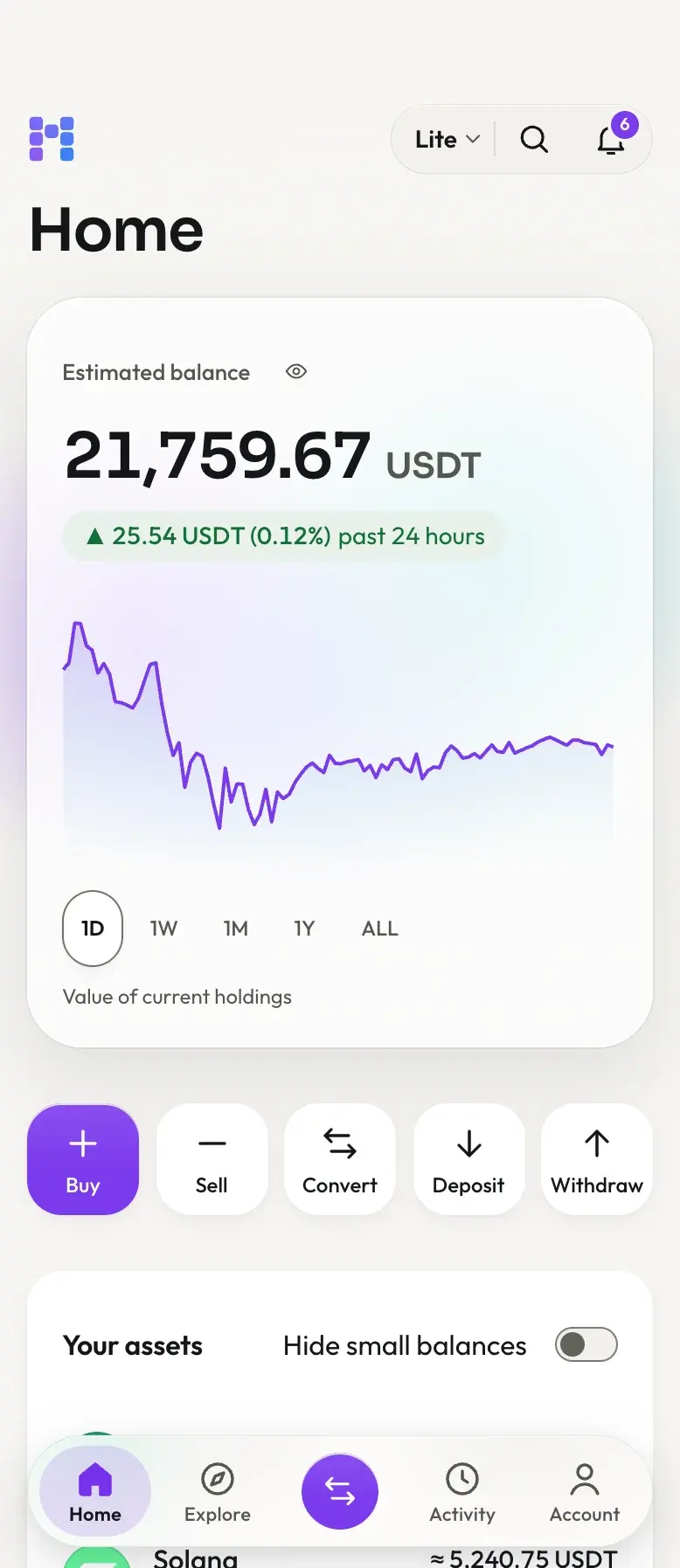 Crypto exchangeSpot trading in Lite and Pro, with an order book, wallets and a backoffice. Try it in Marengo.
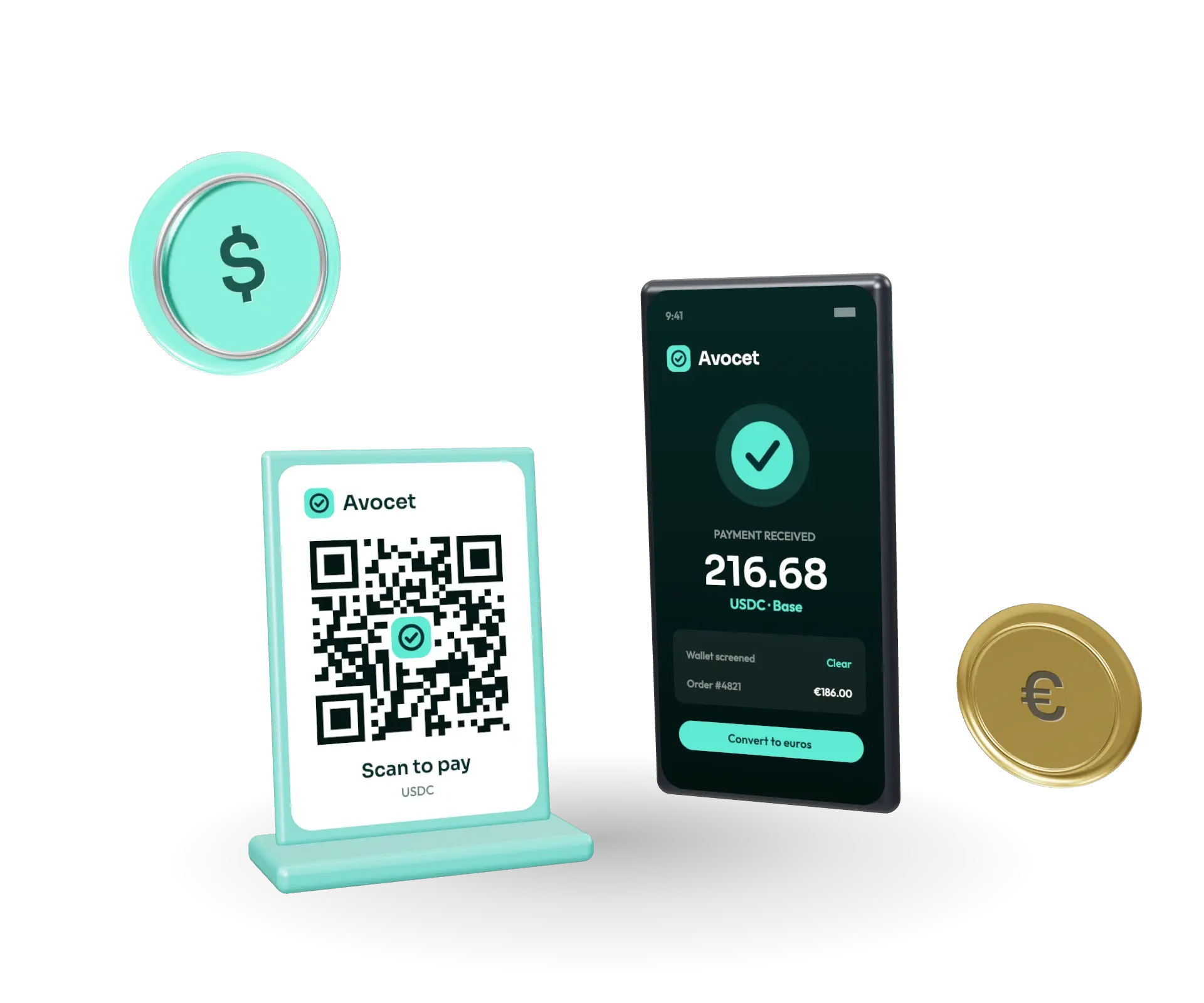 Stablecoin checkoutMerchants accept USDT and USDC online and by QR, then keep them or get paid out to their bank.
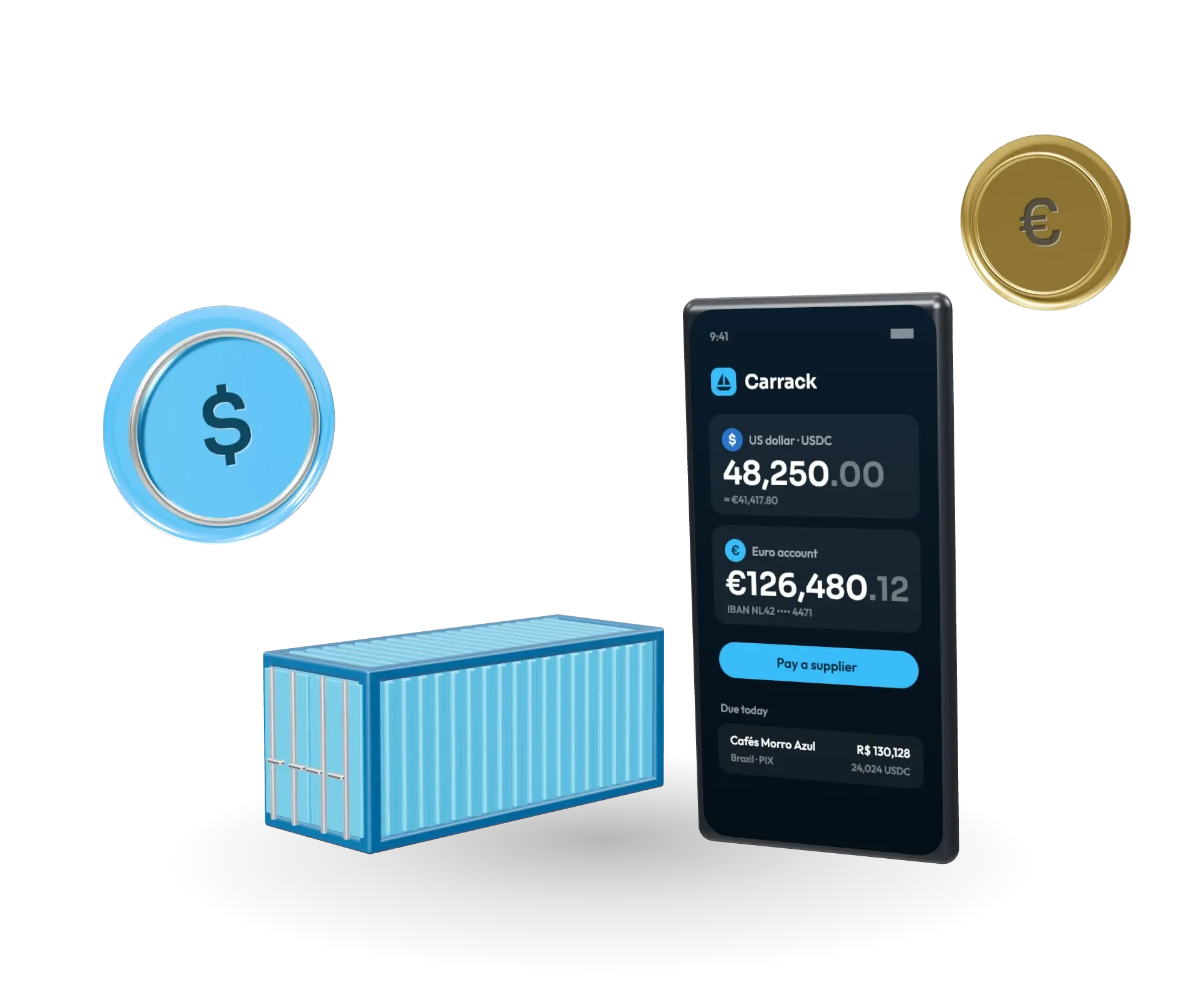 B2B stablecoin paymentsDollars as stablecoins, to pay suppliers abroad and get paid.
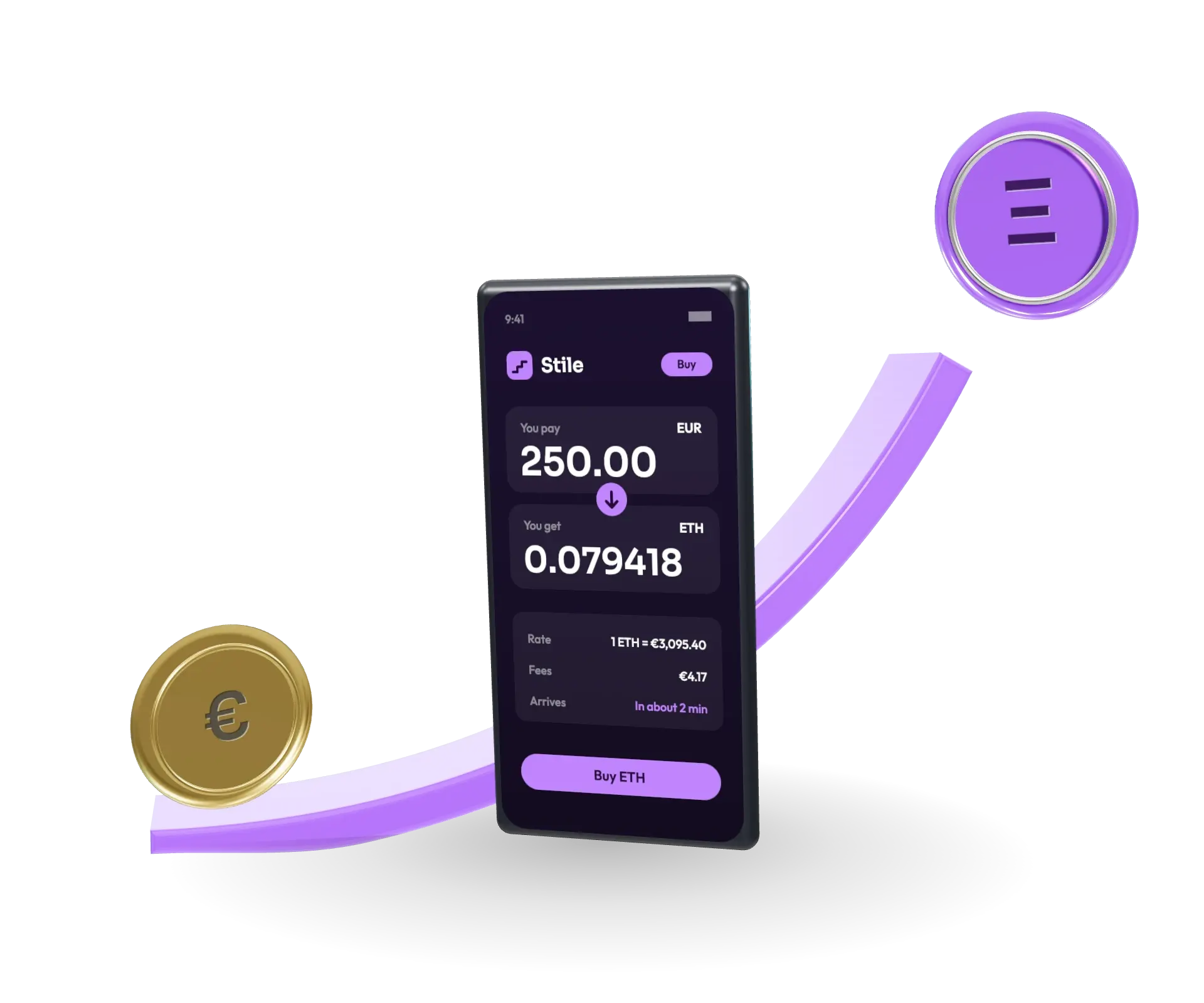 Crypto on-rampLet people buy and sell crypto inside wallets, games and marketplaces, by bank transfer or from another wallet.
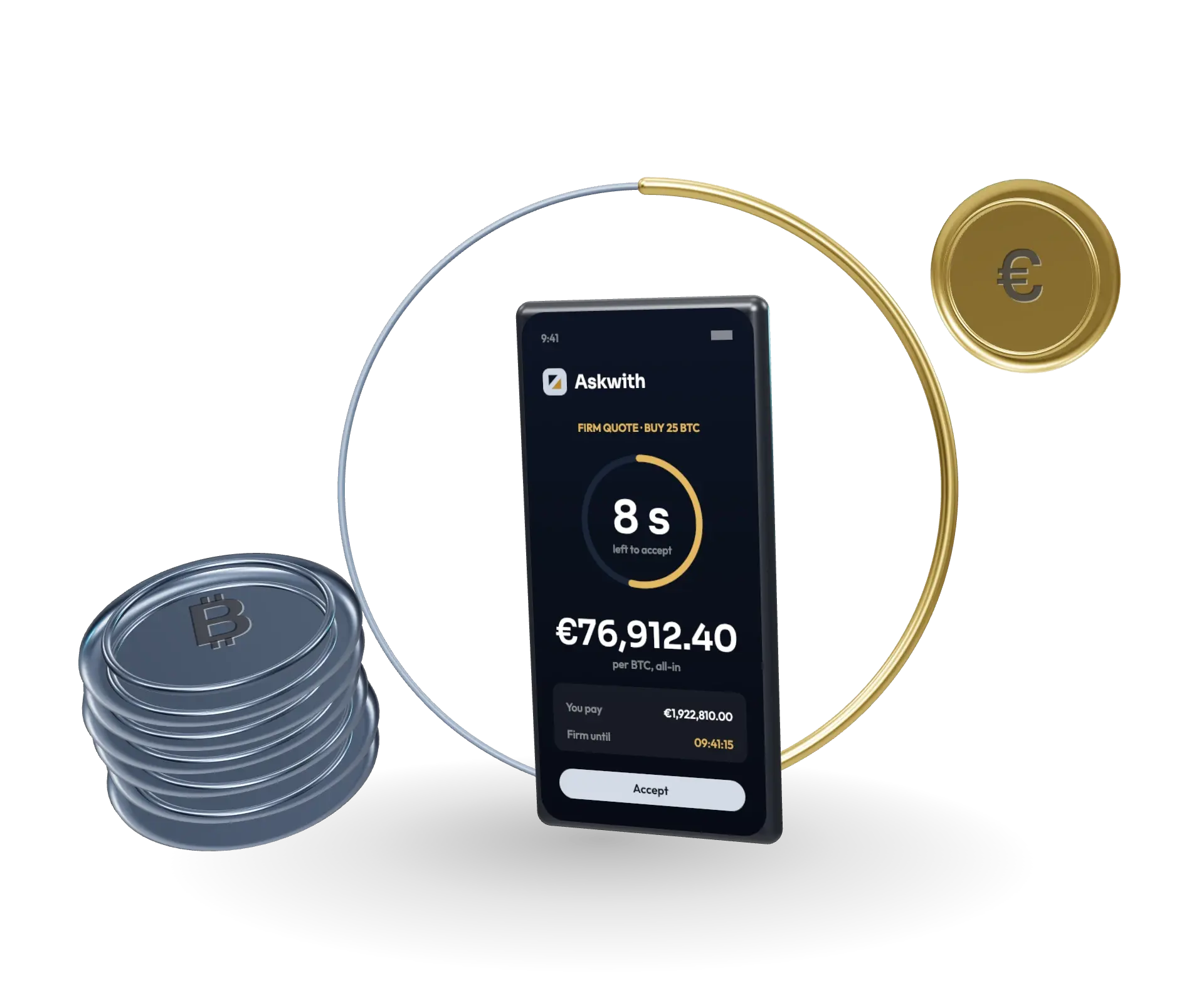 Crypto OTC deskFirm quotes for large crypto trades, settled from custody, under your brand.
- Anything else you buildThe same modules assemble into the product you have in mind. Tell us what it is.
Questions
What buyers ask about the Fraud & risk module.
Do we need an external fraud provider to launch?
No. The module's own rules and limits, such as velocity limits and spending rules, cover the common patterns from day one. An external engine such as Sardine, SEON or Sift can be added later, when your volumes justify it, and adding one changes nothing in your apps or in your team's case queue.
What happens if the fraud provider is down?
The decision falls back to your own rules within a set timeout, so customers are not blocked by an outage on someone else's side. When you use several engines, the module calls them in parallel, merges their signals into one decision, and keeps deciding on your rules if one of them is slow.
Can a risky payment ask for a second factor instead of being blocked?
Yes. Asking for a second factor is one of the four outcomes, next to allow, hold for review and block. A login or payment that looks unusual but not clearly fraudulent can ask the customer to confirm with a passkey or a one-time code, so a genuine customer carries on after one extra step.
Is fraud scoring the same as AML transaction monitoring?
No. Fraud & risk decides in real time whether a sign-up, login or payment should go ahead, to stop losses before they happen. Monitoring for money laundering, suspicious activity reports and the Travel Rule belong to the compliance reporting module, which works from the same transactions with its own rules, alerts and cases.
Can it catch scams where customers send the money themselves?
With the right signals, yes. Sardine watches how a payment is entered, such as long pauses, pasted details or a remote-access tool running, which point to a customer being coached by a scammer. The module merges that with your rules and can hold the transfer for review, or ask the customer to confirm, before the money leaves.










Start your project
Tell us the idea. We'll show you the platform.
One call is enough to map your product to the modules that already exist.
- Response in under one business day
- NDA on request
- No obligation