MOD-KYC · KYC / AML module Know every customer, with the provider you choose.
Onboard customers in minutes with document, selfie and database checks, screen them against sanctions lists, and keep watching after day one. The checks run through the provider that fits your market, or through several at once.
- 16connectors
- +1your own, too










- 01 · The job
Onboarding that passes the audit.
Every customer goes through the checks your licence asks for: an ID document, a liveness selfie, proof of address and screening against sanctions and PEP lists. Risky profiles go to a review queue in the backoffice, and every decision is logged with who made it and why.
- Document, selfie and liveness checks
- Sanctions, PEP and adverse media screening
- Risk scoring and enhanced due diligence
- Ongoing monitoring and periodic reviews
- Business verification (KYB) for company accounts
- An audit trail for every decision
- 02 · The connectors
Sumsub, Onfido, Veriff, and the rest.
The module talks to verification providers through one interface, so the onboarding screens and the review queue stay the same whichever provider runs the check. Route customers by country or risk, fall back when a provider is down, and compare pass rates and costs side by side.
Sanctions, PEP and adverse media
Crypto wallet screening
- 03 · Your own
In-house KYC fits too.
Already have a provider under contract, or a compliance team that verifies customers itself? Your provider becomes one more connector, and manual checks run in the backoffice's review queue with the same audit trail.
In-house, or a provider you already use- Your provider contract and pricing
- Manual review by your own team
- Your own risk rules and thresholds
Building your own instead? Hire our crypto engineers through Paynoramic Outsourcing





How it works
How KYC / AML works, from sign-up to ongoing monitoring
- 01
The customer signs up
In your app or on the web. The module works out which checks apply from the customer's country and risk, and your routing rules pick the provider that runs them.
- 02
Document, selfie and address
The provider's SDK opens inside your app for the ID document and a liveness selfie, plus proof of address where your licence asks for it. Your app only ever holds a token for that one customer, never the provider's keys.
- 03
Screening and a risk score
The customer is screened against sanctions, PEP and adverse media lists, by the verification provider or a dedicated source such as ComplyAdvantage or LSEG World-Check. The module scores their risk, and higher-risk customers go through enhanced due diligence.
- 04
Clear cases pass, the rest wait for a person
Clear customers are approved and failed checks stop. Anything in between, such as a possible sanctions match, goes to the review queue in the backoffice, and every decision is logged with who made it and why.
- 05
Monitoring after day one
Customers are rescreened on the schedule your policy sets, and new matches arrive as cases in the same queue. On crypto platforms, a withdrawal address is screened before the transfer is signed.
What KYC / AML needs from outside the software
The module works under the anti-money laundering duties of a licensed entity, yours or your partner's, and needs the contract with each verification and screening provider you use, which we help you get. In the EU, the AML Regulation sets those duties in every Member State from 10 July 2027. A firm stays fully liable for any task it outsources, and two decisions cannot be outsourced: a customer's risk profile, and whether to take them on. AMLA, the EU's new anti-money laundering authority in Frankfurt, took up most of its tasks on 1 July 2025 and is to supervise a selection of high-risk financial firms directly from 2028.
Where it runs
In these platforms, and in yours.
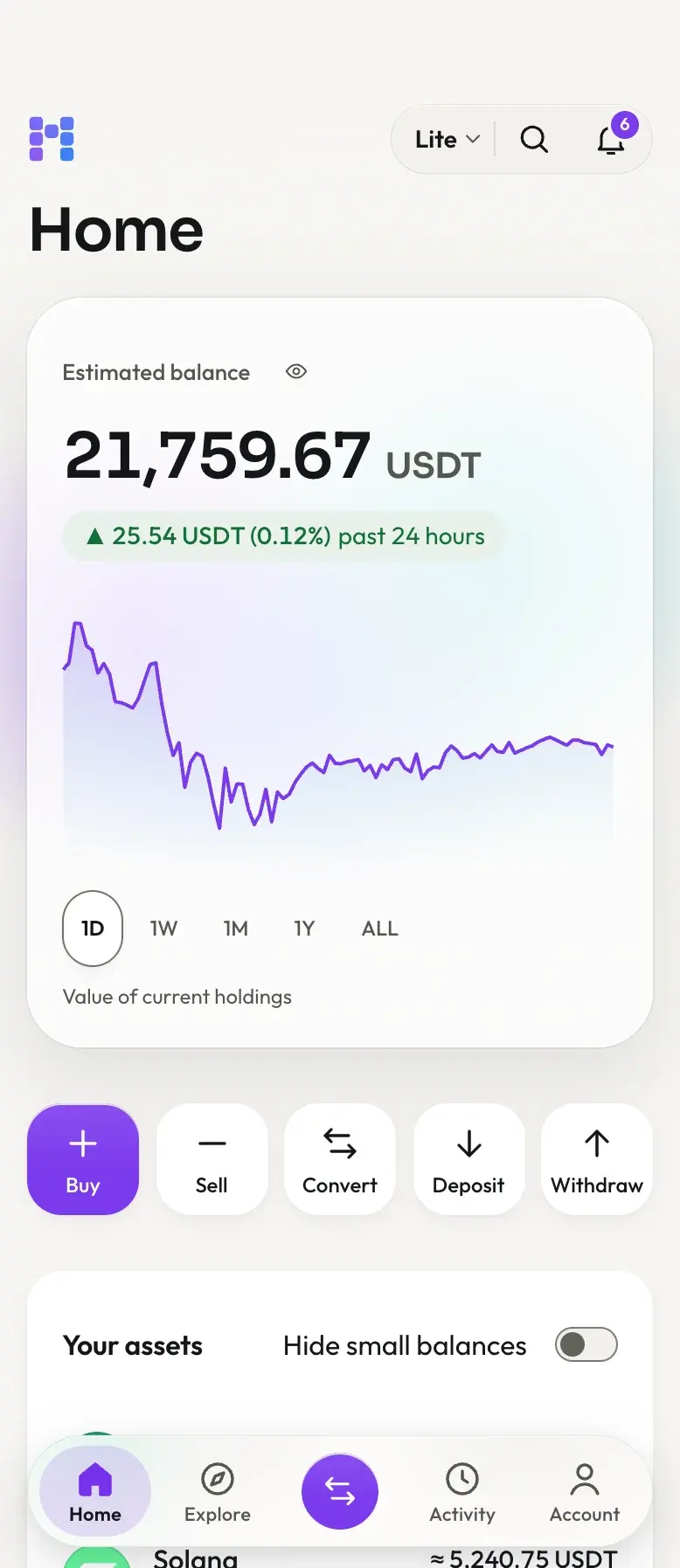 Crypto exchangeSpot trading in Lite and Pro, with an order book, wallets and a backoffice. Try it in Marengo.
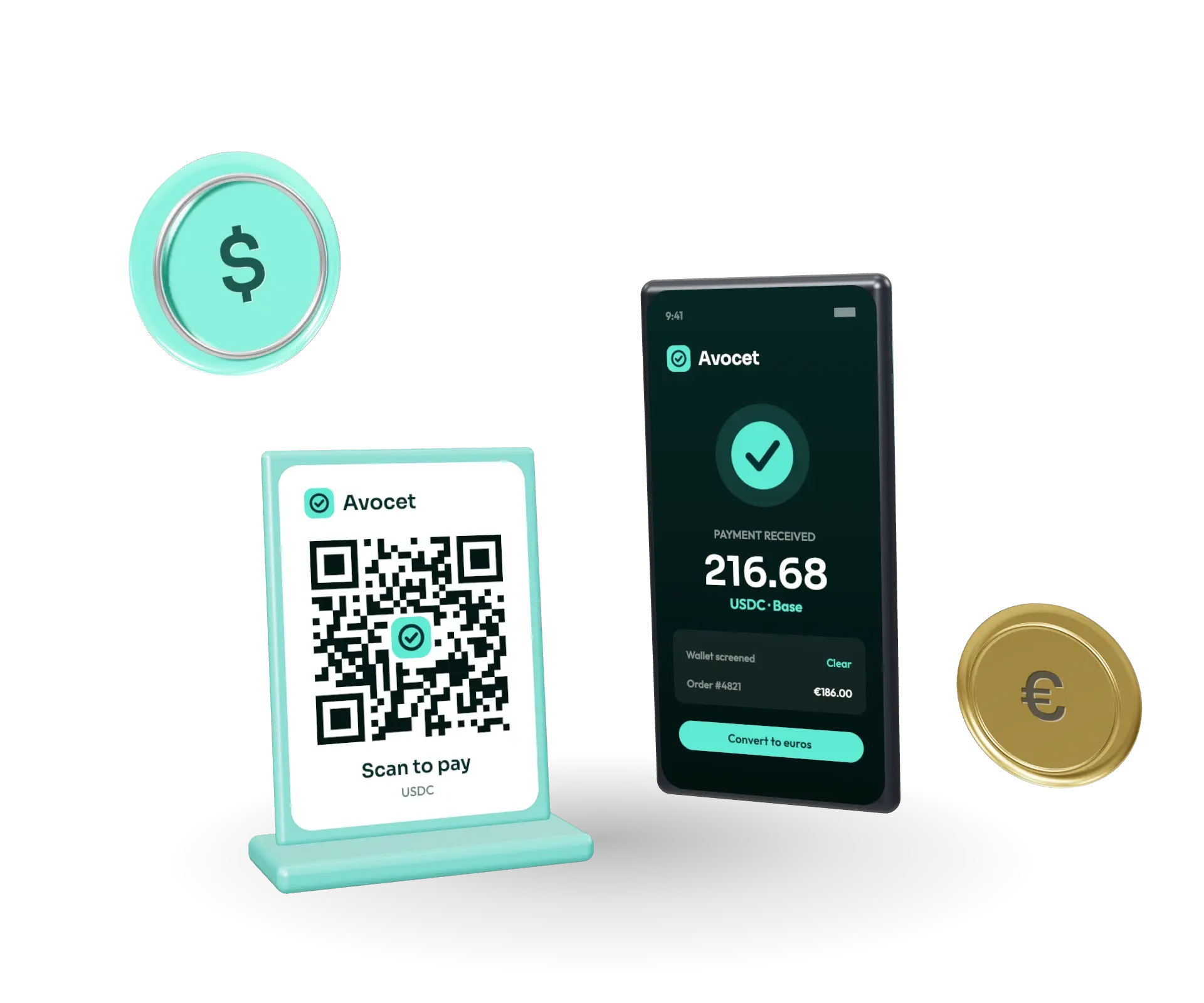 Stablecoin checkoutMerchants accept USDT and USDC online and by QR, then keep them or get paid out to their bank.
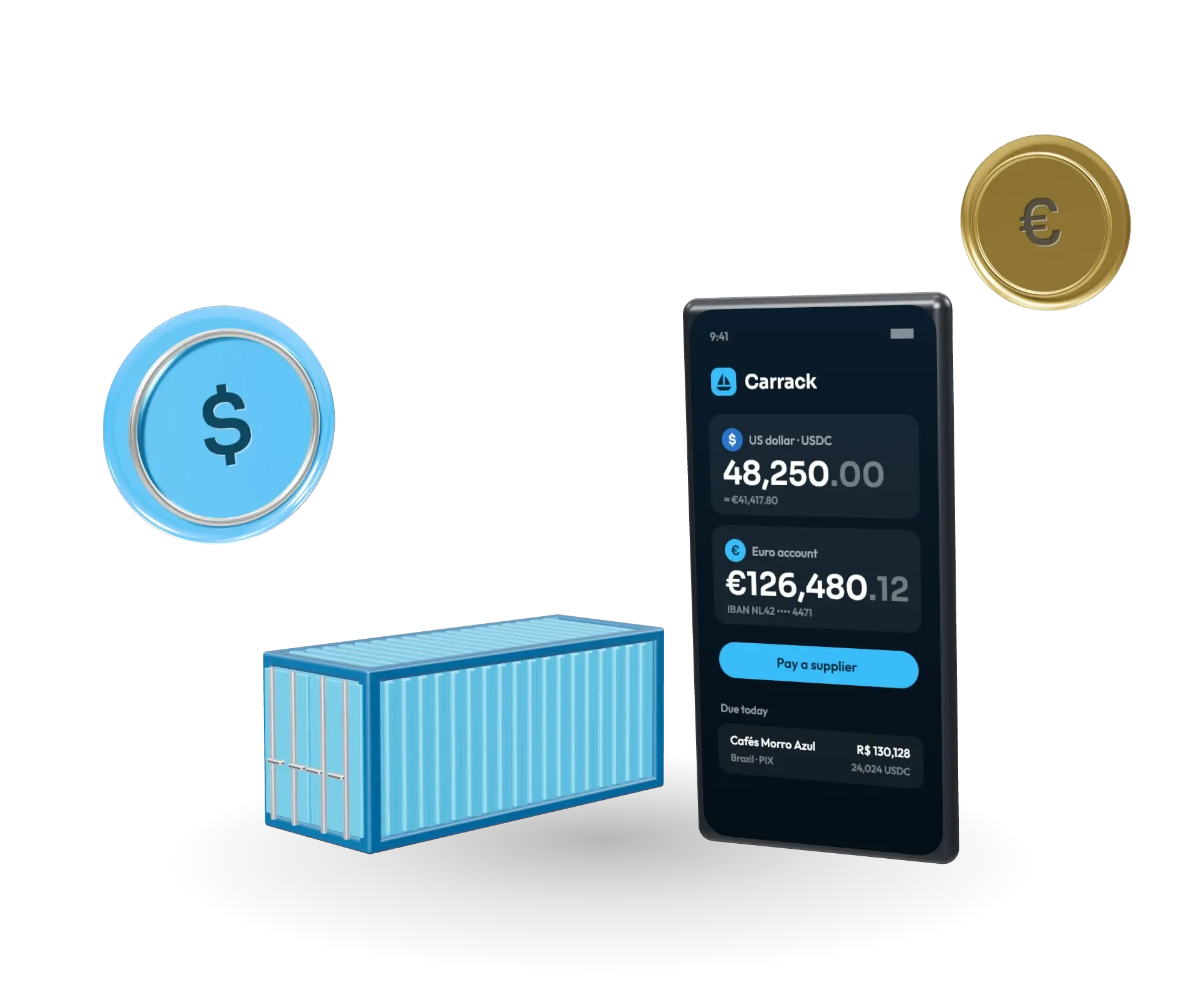 B2B stablecoin paymentsDollars as stablecoins, to pay suppliers abroad and get paid.
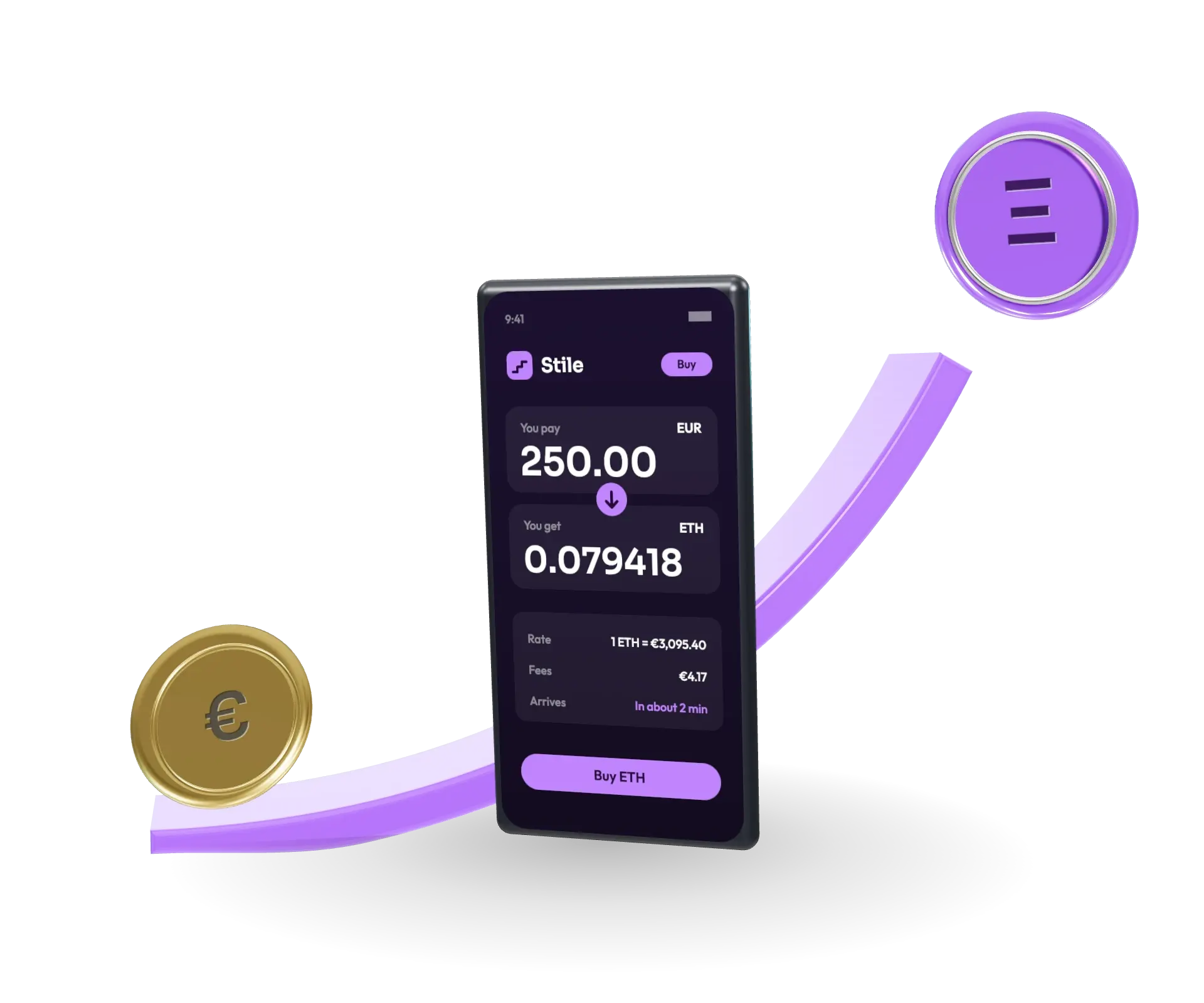 Crypto on-rampLet people buy and sell crypto inside wallets, games and marketplaces, by bank transfer or from another wallet.
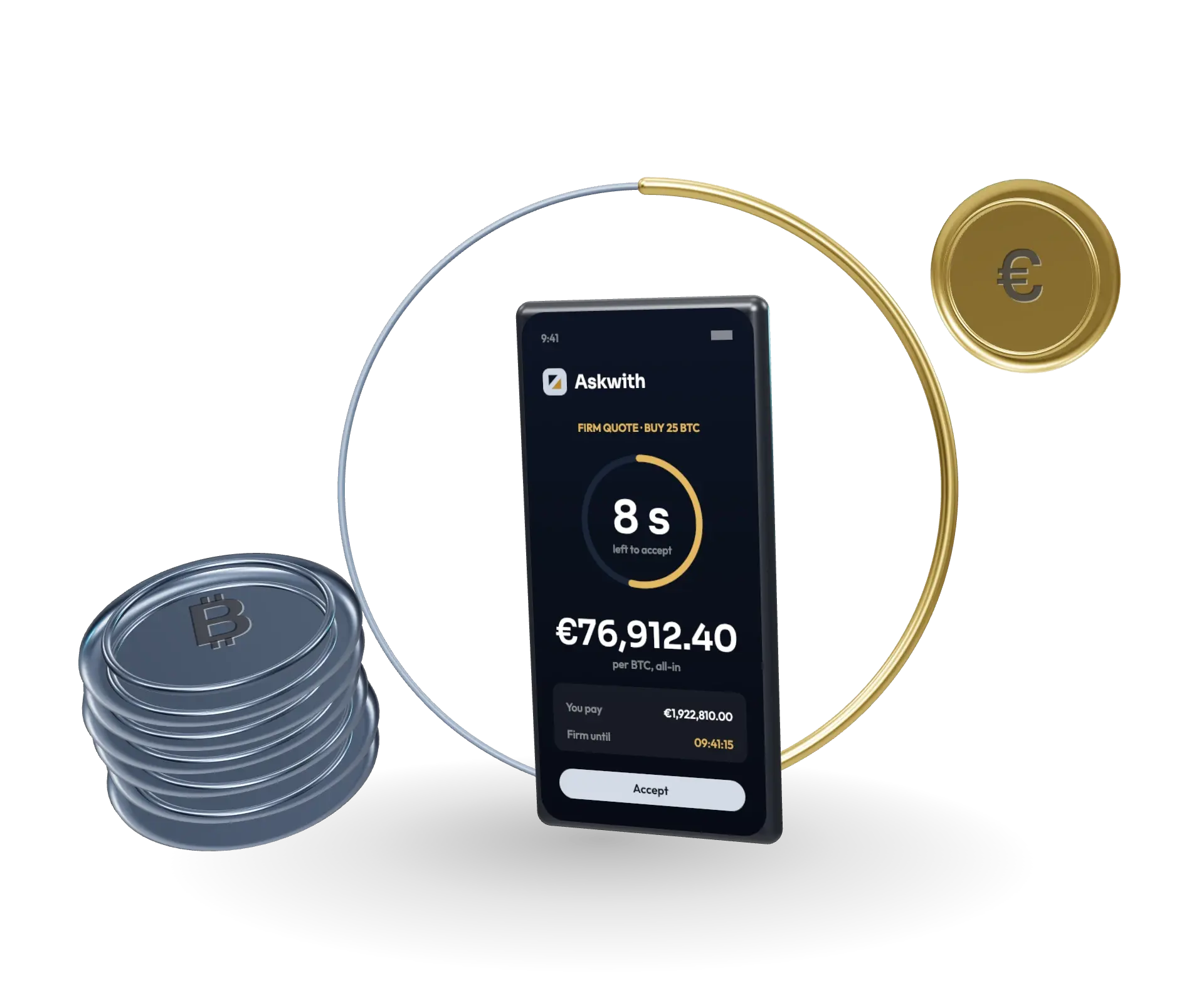 Crypto OTC deskFirm quotes for large crypto trades, settled from custody, under your brand.
- Anything else you buildThe same modules assemble into the product you have in mind. Tell us what it is.
Questions
What buyers ask about the KYC / AML module.
Can we use two KYC providers at once?
Yes. A common setup routes customers by country to the provider with the best coverage there, with a second provider as the fallback when one is down. Routing can follow risk as well, and you can compare the providers' pass rates side by side. The onboarding screens and the review queue stay the same whichever provider runs the check.
Can we switch KYC provider later?
Yes. Switching is a configuration change, plus a new connector if we do not have one for that provider yet. Your apps and the review queue stay as they are, and past checks stay in your records, linked to the provider that made them.
How often are customers checked again after sign-up?
As often as your policy says. The module rescreens customers on that schedule, providers such as ComplyAdvantage send new matches as they appear, and periodic reviews come round when due. From 10 July 2027, the EU's AML Regulation sets the outer limits: customer information updated at least every year for higher-risk customers and every five years for the rest, and, for financial institutions, a sanctions check whenever a new designation is made.
Where is our customers' verification data kept?
Documents and selfies stay with the provider that collected them, in the region your account with it uses. Onfido's EU region stores data in Ireland, Jumio offers an EU data centre, and iDenfy stores data in the EU by default. The platform keeps the result, the decision trail and a reference to each check.
Can customers verify with an electronic ID instead of a document?
Where the provider supports it, yes. IDnow, for example, identifies customers with electronic IDs such as the German eID card. From 10 July 2027, the EU's AML Regulation names two ways to verify a customer: an identity document, or electronic identification that meets the eIDAS Regulation at assurance level substantial or high.
Do you screen crypto wallets as well as people?
Yes, on platforms that move crypto. Before a withdrawal is signed, the module screens the destination address with Chainalysis, Elliptic or TRM Labs for exposure to sanctioned entities, scams and other illicit activity. A wallet within your risk settings goes ahead; a risky one stops the transfer and waits in the review queue. Monitoring transfers over time is the compliance reporting module's job.









Start your project
Tell us the idea. We'll show you the platform.
One call is enough to map your product to the modules that already exist.
- Response in under one business day
- NDA on request
- No obligation