MOD-CMP · Compliance reporting module The reports your regulator expects, before they ask.
Monitor transactions for suspicious patterns, exchange Travel Rule data with other providers, and produce the reports your licence requires, from the same data the platform runs on.
- 8connectors
- +1your own, too








- 01 · The job
Monitoring, reporting, evidence.
Every transaction is checked against monitoring rules, alerts become cases with the evidence attached, and suspicious activity reports are prepared in your regulator's format. Periodic reports are produced on schedule and kept for audit.
- Transaction monitoring rules and alerts
- Suspicious activity reports
- Travel Rule messaging for crypto transfers
- Regulatory and tax reports (MiCA, DAC8, CRS)
- Record keeping and retention
- Exports for auditors
- 02 · The connectors
Monitoring engines and Travel Rule networks.
Specialist monitoring engines add their typologies to your rules, and Travel Rule providers carry sender and recipient data between crypto asset service providers.
Transaction monitoring
Travel Rule
Report formats
- MiCA
- DAC8
- CRS / FATCA
- 03 · Your own
Your compliance programme.
Your MLRO's rules, thresholds and report templates are set in the platform, and any report can be scheduled or produced on demand.
In-house, or a provider you already use- Your monitoring rules
- Your report templates
- Your retention periods
Building your own instead? Hire our crypto engineers through Paynoramic Outsourcing
How it works
How Compliance reporting works, from transaction to report
- 01
Every transaction is checked
Each transaction the platform books is checked against your MLRO's monitoring rules, and against a monitoring engine such as ComplyAdvantage, Hawk AI, Chainalysis KYT or Elliptic if you use one.
- 02
Crypto transfers carry their data
A crypto withdrawal to another provider sends it the sender and recipient details, through Notabene, Sygna, 21 Analytics or directly over TRP. For deposits, the incoming details are checked before the funds are credited.
- 03
Alerts become cases
Alerts from your rules and from the engines land in one case queue in the backoffice, with the transaction, the customer and the evidence attached.
- 04
Your team decides
An analyst closes or escalates each case, and every decision is logged. When a report is due, the module prepares the suspicious activity report in your regulator's format.
- 05
Reports run on schedule
Regulatory and tax reports for MiCA, DAC8 and CRS are produced on schedule or on demand, kept for your retention periods and ready to export for your auditors.
What Compliance reporting needs from outside the software
In the EU, suspicious transactions, attempted ones included, must be reported promptly to the financial intelligence unit: under Article 33 of Directive (EU) 2015/849 today, and Article 69 of Regulation (EU) 2024/1624 from 10 July 2027. Since 30 December 2024, crypto-asset service providers have had to send the sender and recipient details with every crypto transfer to another provider, whatever the amount (Regulation (EU) 2023/1113). DAC8 has applied since 1 January 2026: crypto-asset service providers report their users' transactions to the tax authority once a year, the first reports covering 2026. These duties sit with your licensed entity and its MLRO; the module needs only the contract with each monitoring engine or Travel Rule provider you choose, which we help you get, and none for TRP, an open standard.
Where it runs
In these platforms, and in yours.
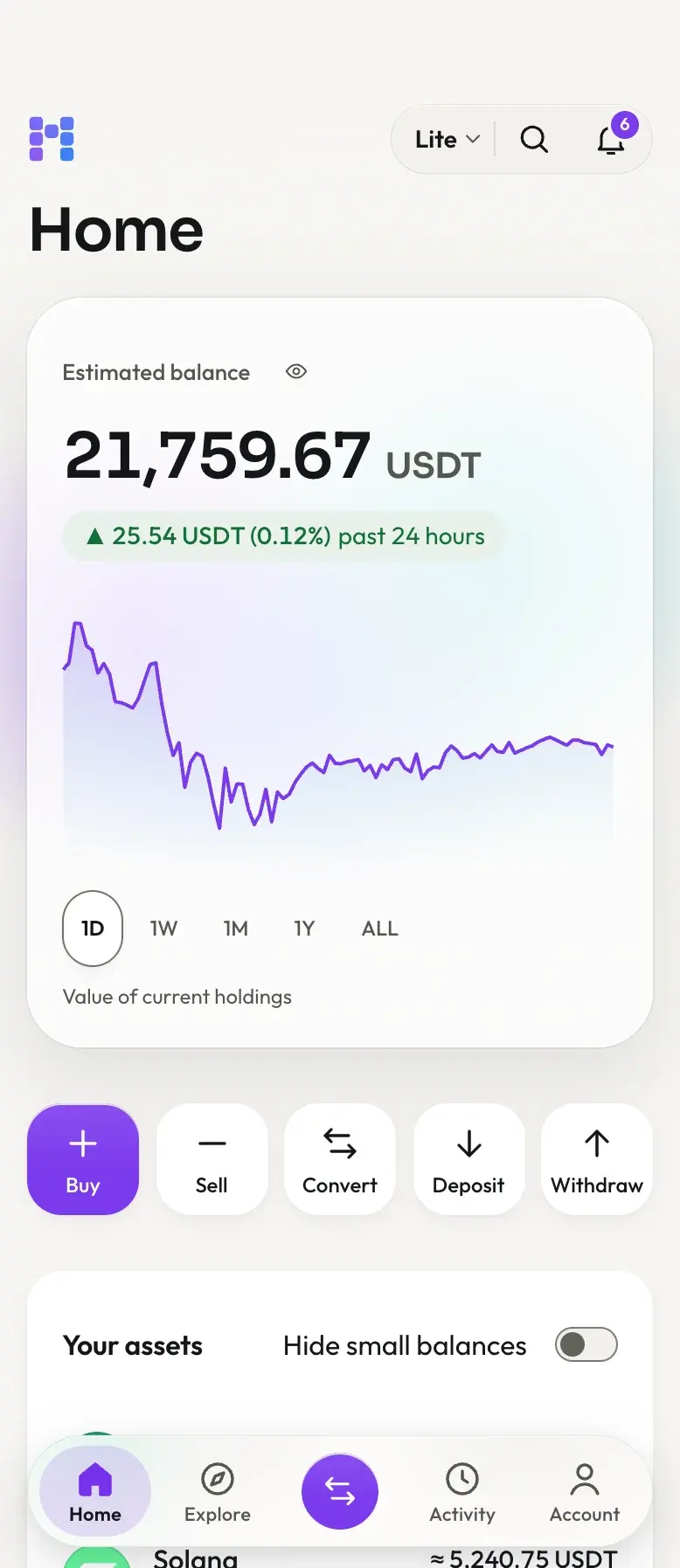 Crypto exchangeSpot trading in Lite and Pro, with an order book, wallets and a backoffice. Try it in Marengo.
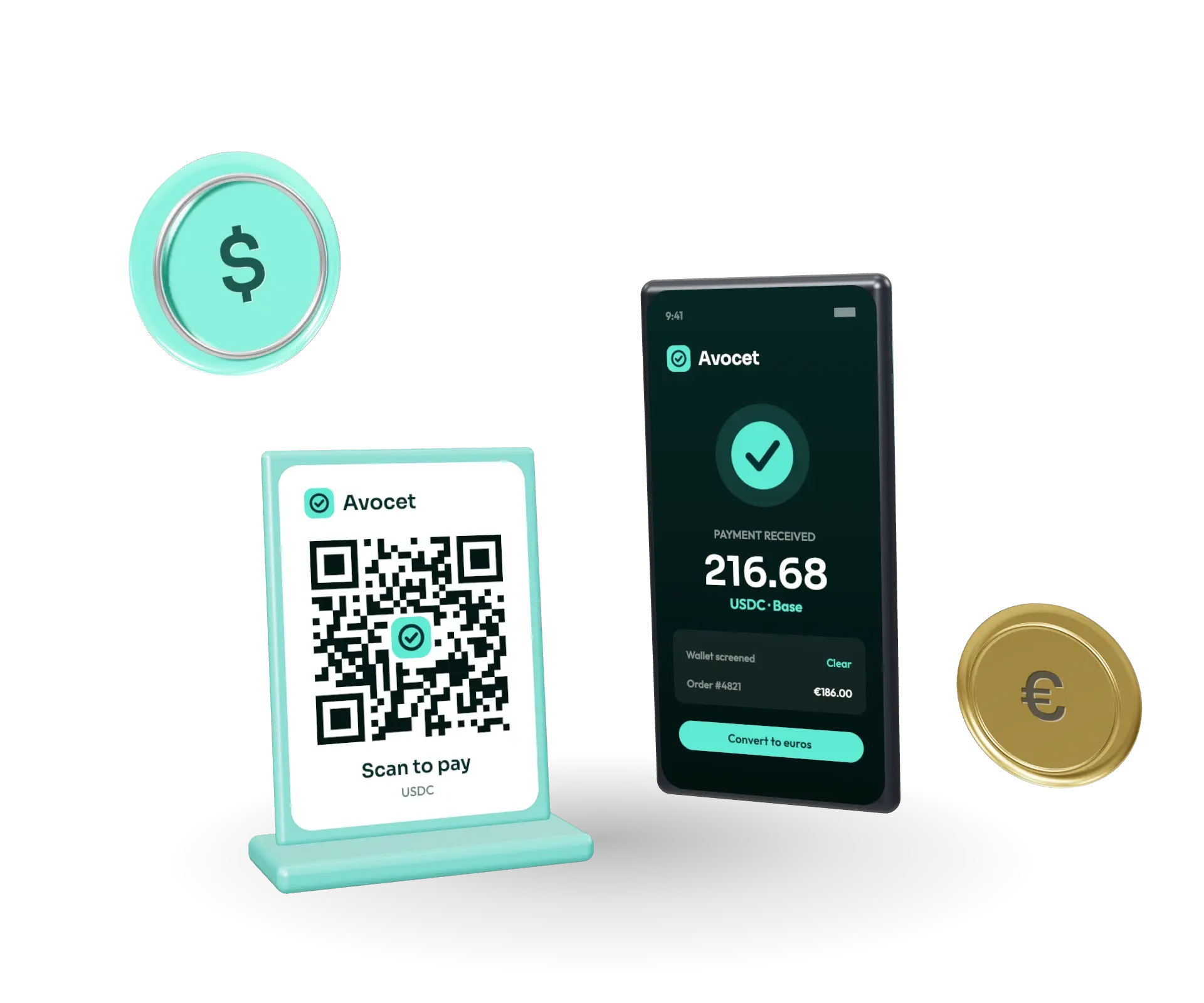 Stablecoin checkoutMerchants accept USDT and USDC online and by QR, then keep them or get paid out to their bank.
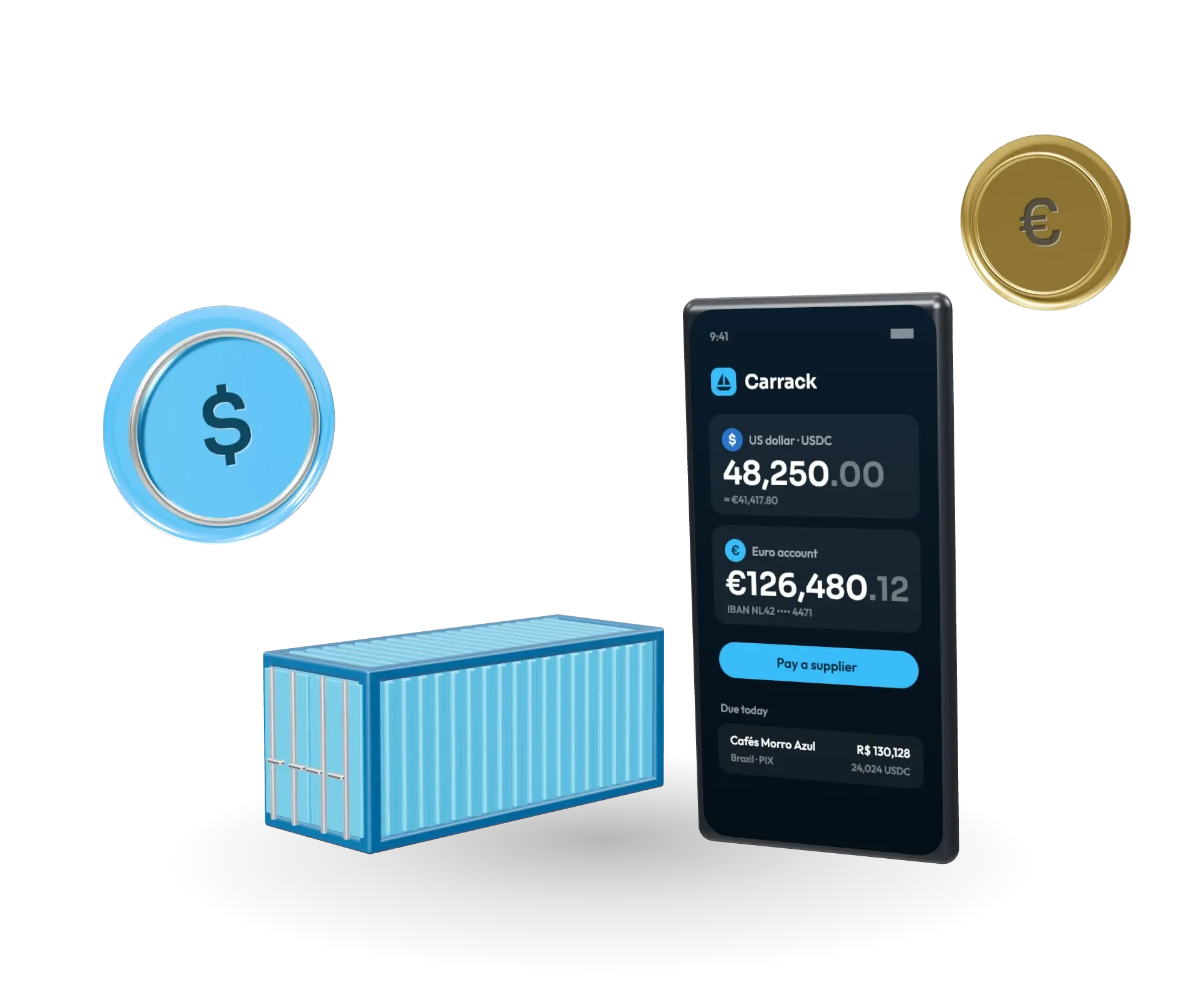 B2B stablecoin paymentsDollars as stablecoins, to pay suppliers abroad and get paid.
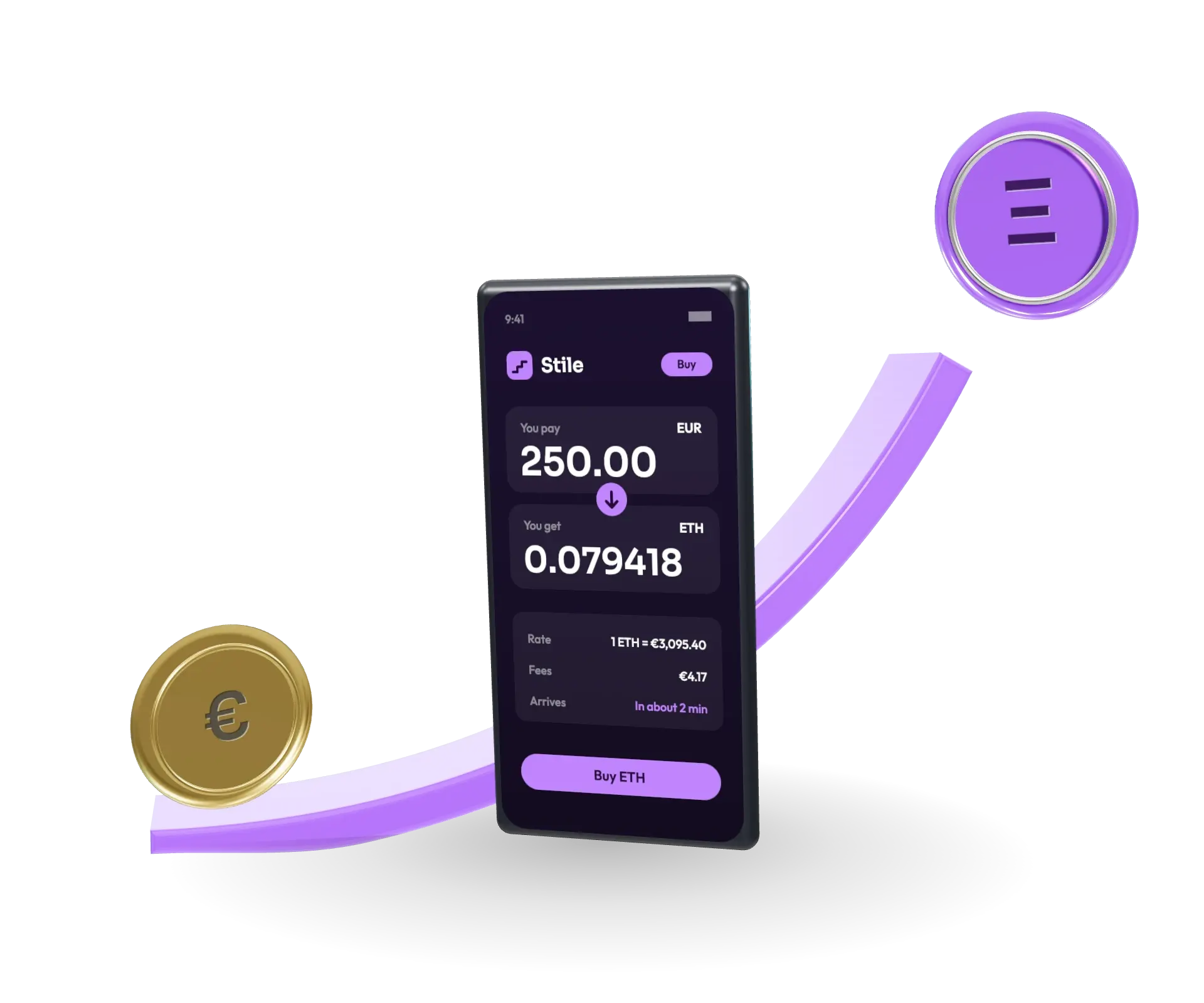 Crypto on-rampLet people buy and sell crypto inside wallets, games and marketplaces, by bank transfer or from another wallet.
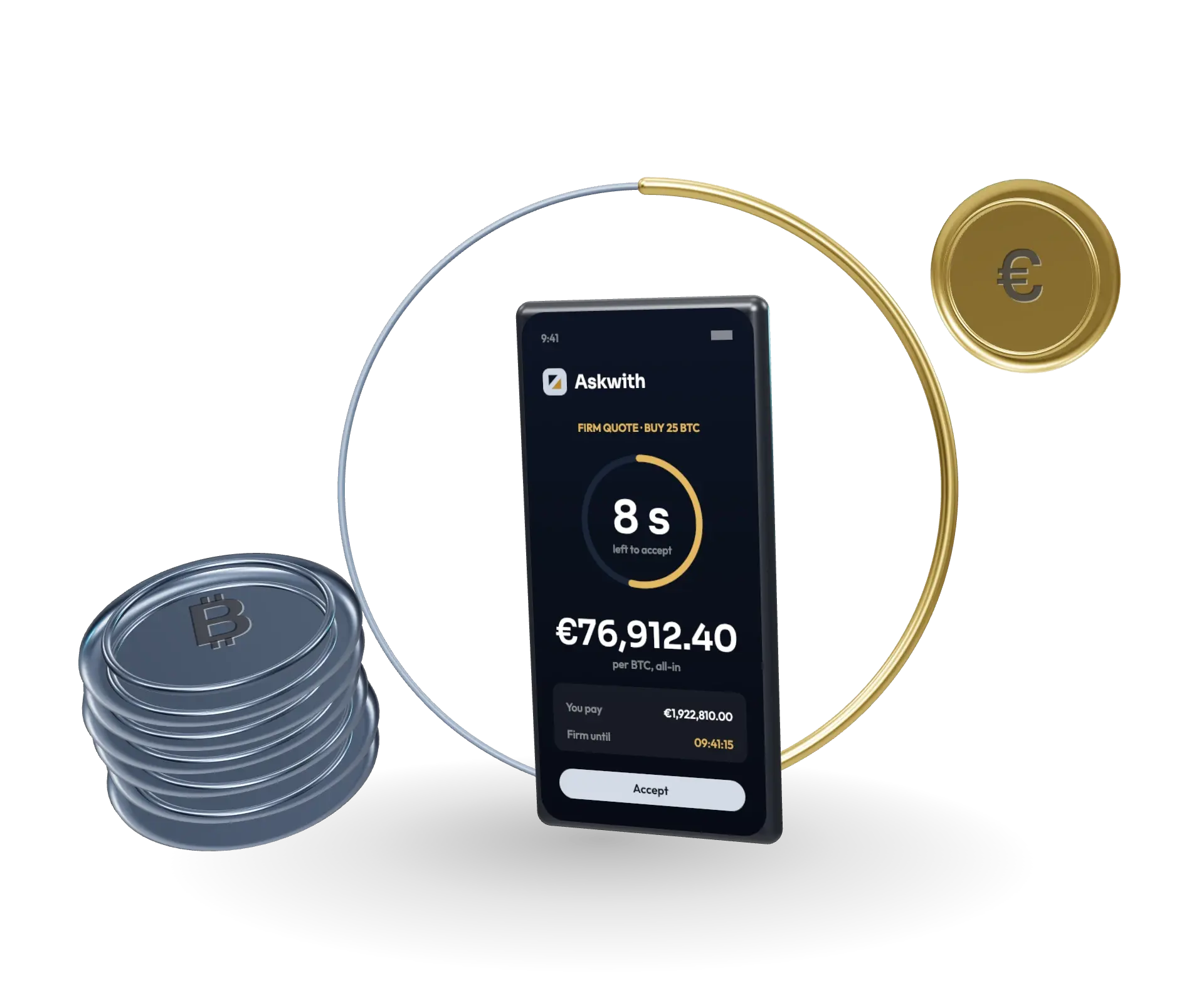 Crypto OTC deskFirm quotes for large crypto trades, settled from custody, under your brand.
- Anything else you buildThe same modules assemble into the product you have in mind. Tell us what it is.
Questions
What buyers ask about the Compliance reporting module.
Does the platform cover the Travel Rule?
Yes. Crypto transfers carry the sender and recipient details your rules require through a Travel Rule provider such as Notabene, Sygna or 21 Analytics, or directly over TRP, and incoming details are checked before funds are credited. In the EU, Regulation (EU) 2023/1113 has required this between crypto-asset service providers since 30 December 2024, whatever the amount. Where your policy uses thresholds, your compliance team sets them in the platform.
Who files a suspicious activity report?
Your MLRO decides and sends it; the module prepares it. When a case is escalated and a report is due, the suspicious activity report is prepared in your regulator's format from the case and its evidence. Under EU rules, the compliance officer sends reports to the financial intelligence unit of the EU country where the firm is established, and attempted transactions are reported too.
Can our compliance team change the monitoring rules?
Yes, from the backoffice, and every change is logged and versioned, so there is a record of which rules applied when. Monitoring engines such as Hawk AI or ComplyAdvantage add their typologies next to your MLRO's rules rather than replacing them, and alerts from both land in the same case queue.
Which reports does the module produce?
Suspicious activity reports in your regulator's format, and regulatory and tax reports for MiCA, DAC8 and CRS / FATCA, all from the same data the platform runs on. Any report can be scheduled or produced on demand from your MLRO's templates, and every report is kept for audit, with exports for your auditors.
What does DAC8 mean for a crypto platform?
DAC8, Council Directive (EU) 2023/2226, has applied since 1 January 2026. Reporting crypto-asset service providers carry out due diligence on their users and report to their tax authority what those users bought, sold, exchanged and transferred, asset by asset, once a year for the year before, so the first reports cover 2026. The module produces DAC8 reports from the platform's own records of customers and transactions.
How does the Travel Rule fit with crypto transaction monitoring?
They work side by side. The Travel Rule carries the sender and recipient details between providers, while Chainalysis KYT or Elliptic look at the transfer itself and its exposure on the blockchain. Your team sees both next to the transfer in the backoffice. EU rules also make missing Travel Rule details a factor in deciding whether an incoming transfer is suspicious.
- MOD-ADM
Backoffice
One console to run the platform: customers, money, risk, content and staff permissions.
+5 10 connectors - MOD-NTF
Notifications
Email, SMS, push and in-app messages in your brand, through the providers you choose.
+7 12 connectors - MOD-ANL
Analytics & monitoring
Product analytics, attribution, engagement and crash reports, on a tracking plan you control.
+12 17 connectors - MOD-RWD
Rewards & referrals
Refer-a-friend, affiliate partners, cashback and loyalty points, earned on what your ledger can prove.
+6 11 connectors




















Start your project
Tell us the idea. We'll show you the platform.
One call is enough to map your product to the modules that already exist.
- Response in under one business day
- NDA on request
- No obligation