MOD-RWD · Rewards & referrals module Customers who bring customers, and a reason to stay.
Refer-a-friend links in your apps, affiliates and partners paid for customers who really opened an account, cashback and points on settled card spend, and rewards delivered as balance, points or gift cards. A reward is earned when the platform's own records say so, never on a click.
- 11connectors
- +1your own, too










- 01 · The job
Reward what the ledger can prove.
A referral counts when the friend has passed KYC and made a first payment, not when a link was opened. A partner is credited when the platform's server confirms the customer. Cashback and points follow settled payments and are taken back with a refund. Every reward is an entry in the ledger, inside the limits, expiry dates and budget your team sets in the backoffice.
- A referral code and link for every customer
- Affiliate and partner tracking, server to server
- Cashback, points and tiers on settled spend
- Rewards as balance, points or gift cards
- Rules, caps and budgets in the backoffice
- Self-referral and abuse checks
- 02 · The connectors
Referral Factory, impact.com, Talon.One, Runa, and more.
Each programme runs on the tool your growth team prefers. The platform tells it what really happened, an account verified or a payment settled, from its server, and pays the reward through the ledger. Card numbers, account numbers and balances never go to any of them.
Referral programmes
Affiliate and partner programmes
Loyalty and promotions
Reward delivery
Not sure which one fits your market? Paynoramic Consulting helps you choose
- 03 · Your own
Your programme, your rules.
A programme you already run connects as it is, with its links, partners and members, and an in-house rewards engine or points bank becomes one more connector.
In-house, or a provider you already use- Your existing programme and partner contracts
- Your reward rules, caps and budgets
- Your terms and conditions

How it works
How Rewards & referrals works, from a shared code to a paid reward
- 01
A customer shares their code
Every customer has a referral code and link in the app, and shares it through the phone's own share sheet, in whichever app they choose. The platform sends no invitation itself, and knows nothing about the friend until they apply.
- 02
The friend signs up with it
The code is recorded with the friend's application. A link that opens the app carries the code through the mobile attribution connectors of the Analytics & monitoring module: AppsFlyer, Adjust, Branch or Singular.
- 03
The platform checks the rule
A referral counts when the platform's own records say so: the friend passed KYC and made a first payment inside the window your team set. A click or a sign-up alone earns nothing. Each referral is also checked against verified identities (KYC / AML) and devices (Fraud & risk), so a second account for the same person earns nothing.
- 04
The reward is paid
A money reward is a credit in the Ledger, from a marketing budget account. Points are kept in the Ledger or in your loyalty engine, and gift cards are delivered by a reward delivery provider. For a partner, the platform reports the confirmed customer to the affiliate platform from its server, and the affiliate platform pays the commission.
- 05
Refunds take rewards back
Cashback and points on card spend follow settled payments, and a refund, a chargeback or a closed account takes a reward in the Ledger back. A gift card that was claimed, or a commission already paid to a partner, cannot be recalled, so those wait until the refund period your team set has passed. The caps, expiry dates and budgets set in the Backoffice hold throughout.
What Rewards & referrals needs from outside the software
No licence of its own: only the providers' contracts, which we help you get, and your decisions on the terms: who qualifies, what a reward is worth, the caps, the expiry and the budget. The law limits the incentive itself, by market and by product. In the UK, the FCA bans financial promotions of qualifying cryptoassets that offer a retail client any monetary or non-monetary incentive, refer-a-friend bonuses included (COBS 4.12A.7R, applied to cryptoassets since 8 October 2023). A partner who promotes an investment or cryptoasset product in the course of business is making a financial promotion, which an authorised person must communicate or approve unless an exemption applies (FSMA 2000, section 21), and the FCA expects firms to take responsibility for their affiliates' promotions. In the EU, MiCA forbids issuers and crypto-asset service providers to grant interest on e-money tokens and asset-referenced tokens, and treats any benefit related to how long the holder holds the token as interest (Articles 50 and 40); the E-Money Directive bans the same for electronic money (Article 12). Marketing must be fair, clear, not misleading and identifiable as marketing (MiCA, Article 66(2); MiFID II, Article 24(3)), and an investment firm may pay a third party a fee or commission in connection with an investment service only where it is designed to enhance the quality of the service to the client and does not impair the firm's duty to act in the client's best interest (MiFID II, Article 24(9)). Marketing by email needs the recipient's prior consent (ePrivacy Directive, Article 13), which is why the platform sends no invitations and holds nothing about a friend who has not applied. For marketing in or aimed at the UAE, Dubai's VARA requires incentives linked to virtual assets to receive its compliance confirmation (Marketing Regulations 2024, Part I, C.2.l). Your compliance team decides which programme runs in which country and for which product, and the module switches it off everywhere else. How rewards are treated for tax is for your advisers to decide.
- FCA Handbook: COBS 4.12A, promotion of restricted mass market investments
- FCA: PS23/6, financial promotion rules for cryptoassets
- legislation.gov.uk: Financial Services and Markets Act 2000, section 21
- FCA: FG24/1, financial promotions on social media (affiliate marketing, 3.18 to 3.24)
- ICO: electronic mail marketing, asking people to pass on your marketing
- EUR-Lex: Regulation (EU) 2023/1114 (MiCA), Articles 40, 50 and 66
- EUR-Lex: Directive 2009/110/EC (E-Money Directive), Article 12
- EUR-Lex: Directive 2014/65/EU (MiFID II), Article 24, consolidated text
- EUR-Lex: Directive 2002/58/EC (ePrivacy), Article 13, consolidated text
- VARA: Marketing Regulations 2024, Part I, C. Requirements for Marketing
Where it runs
In these platforms, and in yours.
 Crypto exchangeSpot trading, order book and custody wallets. Your exchange, live in a month.
 Stock exchangeEquities trading, portfolios and market data, under your brand.
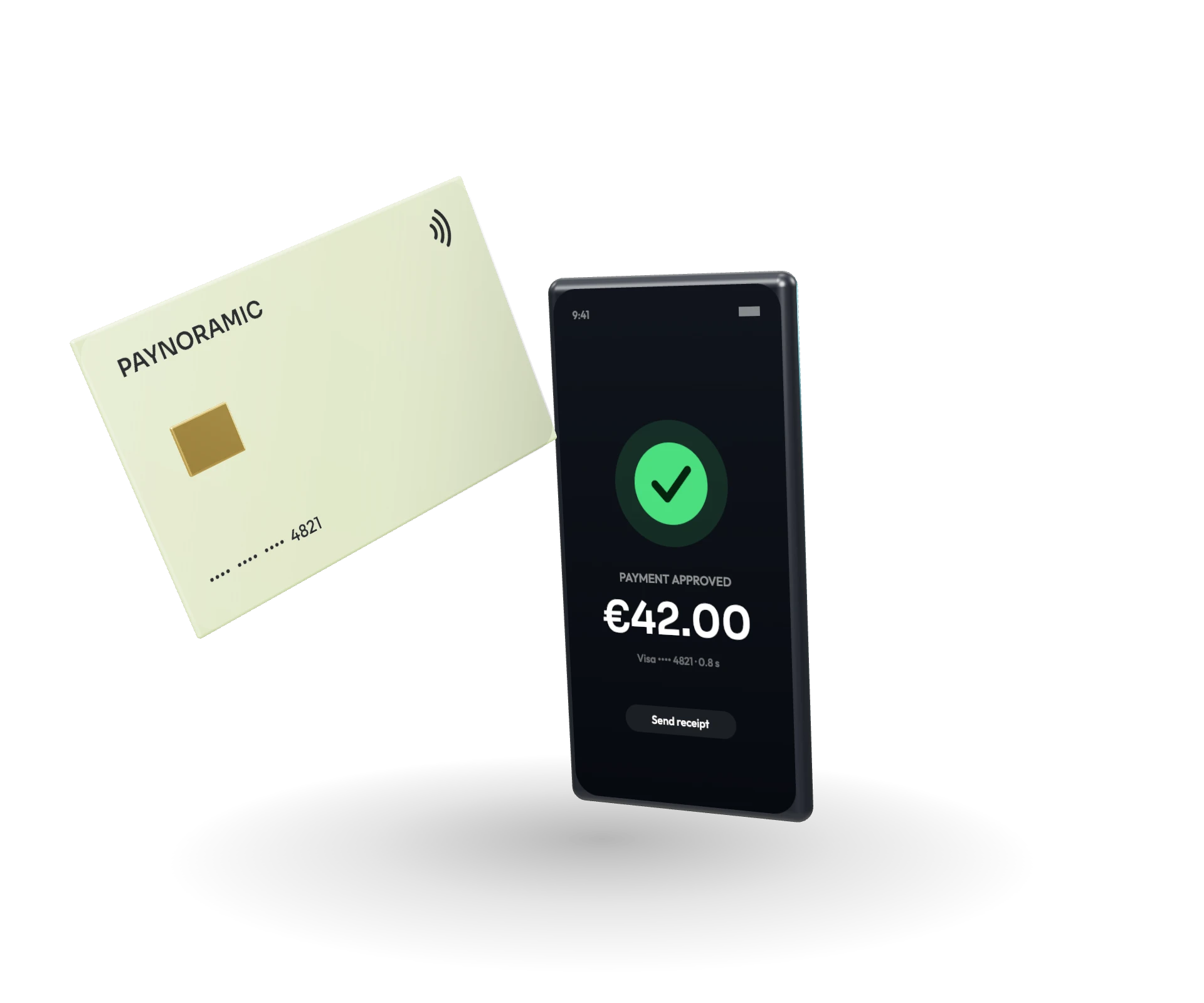 SoftPOSNFC phones become card terminals, reading cards through certified software. No hardware.
 Banking appAccounts, cards and transfers. A neobank under your brand.
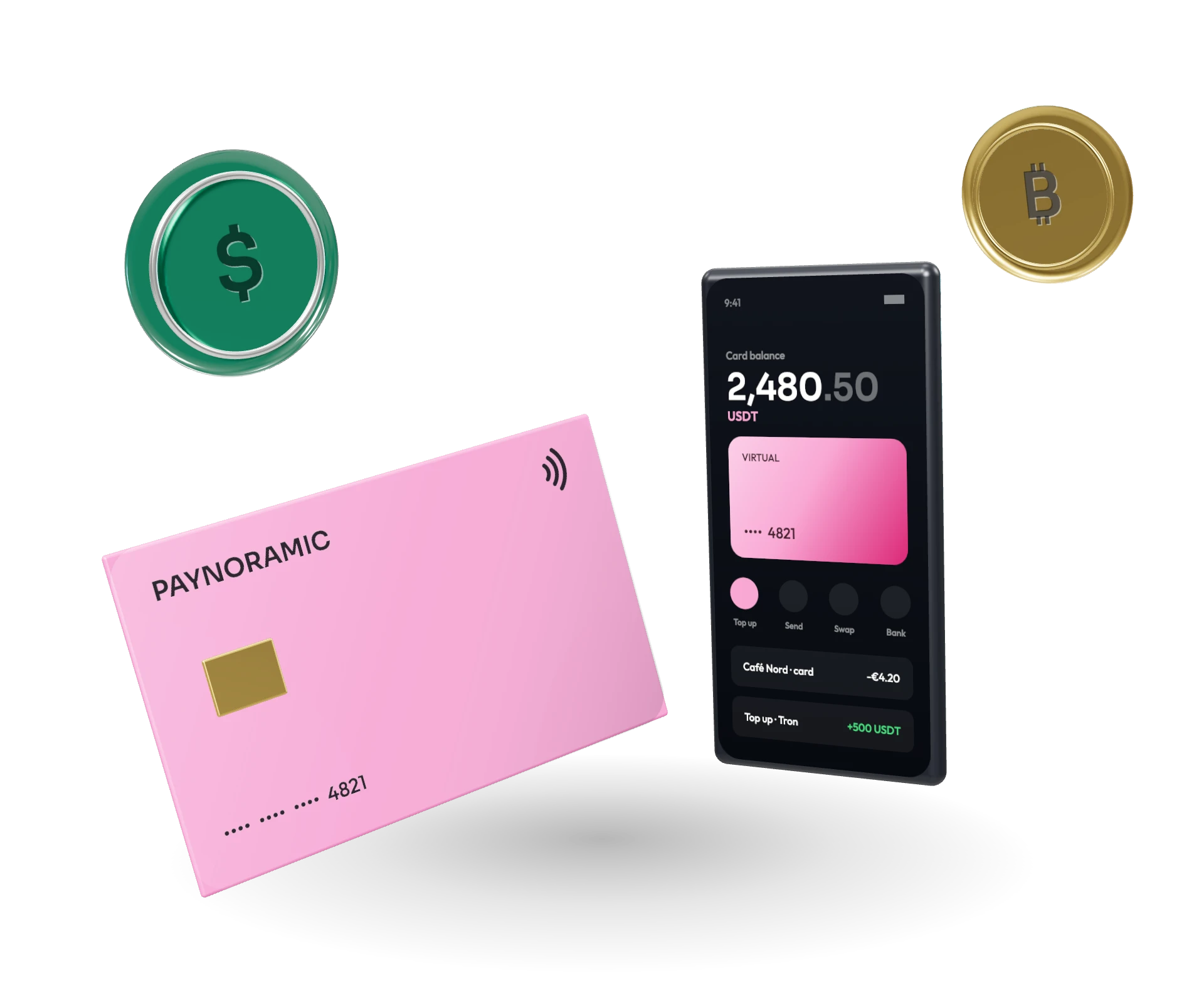 Crypto card appA stablecoin wallet with its own cards. Top up in crypto, pay anywhere, send money to any bank.
 Payment gatewayCheckout plus merchant dashboard, assembled for your flow.
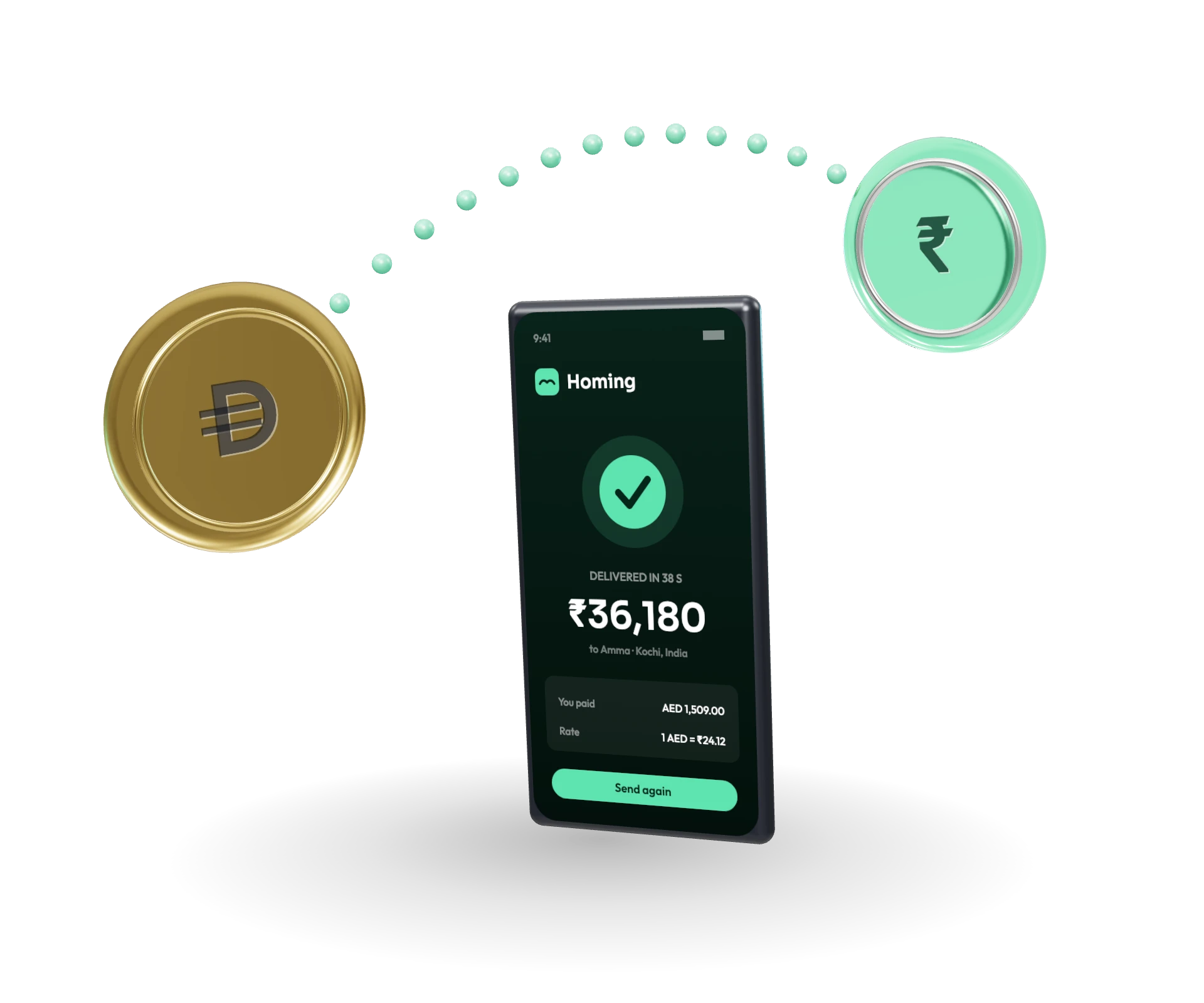 Remittance appMoney abroad in seconds, with the rate and the fee shown before anyone pays.
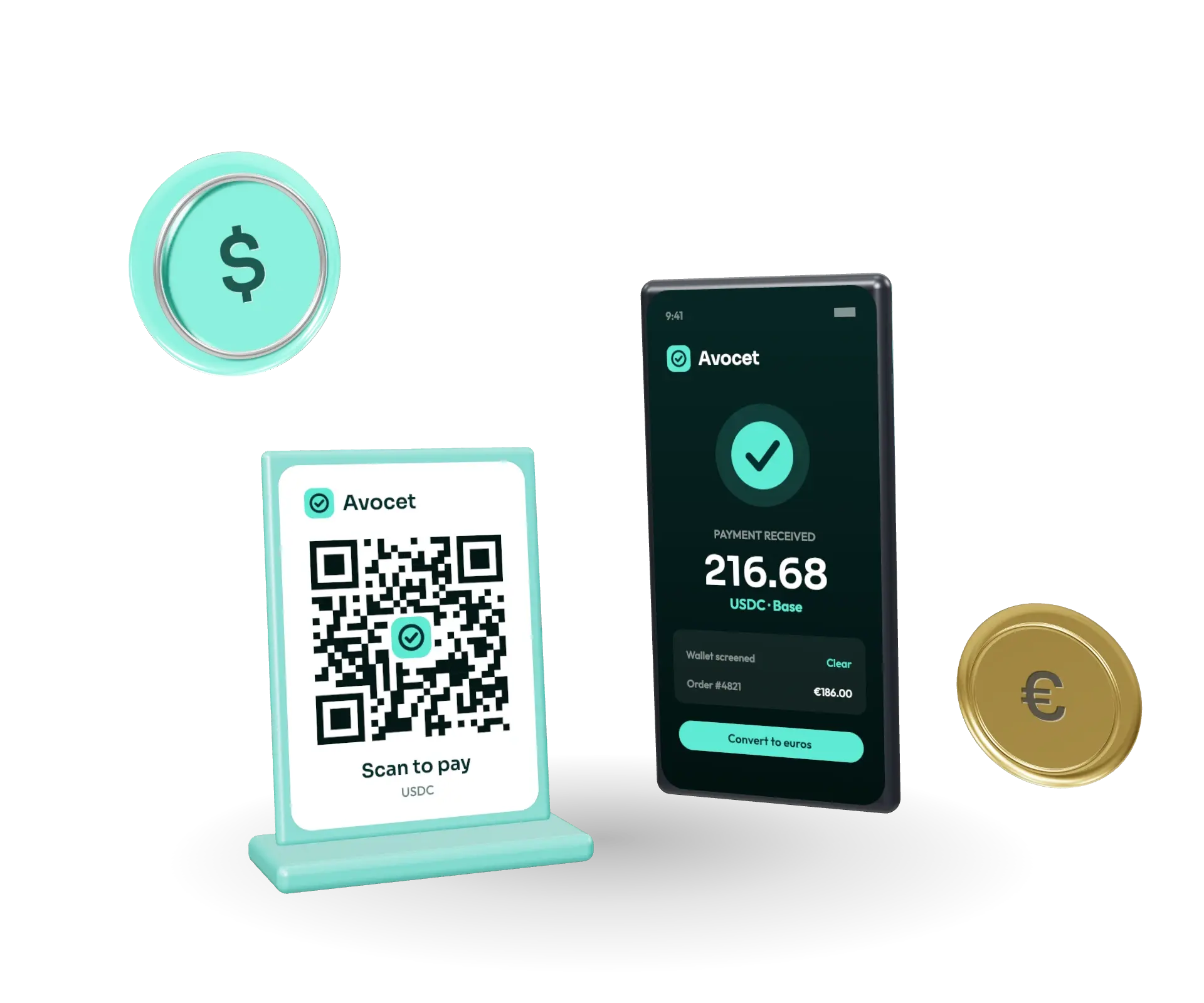 Stablecoin checkoutMerchants accept USDT and USDC online and by QR, then keep them or get paid out to their bank.
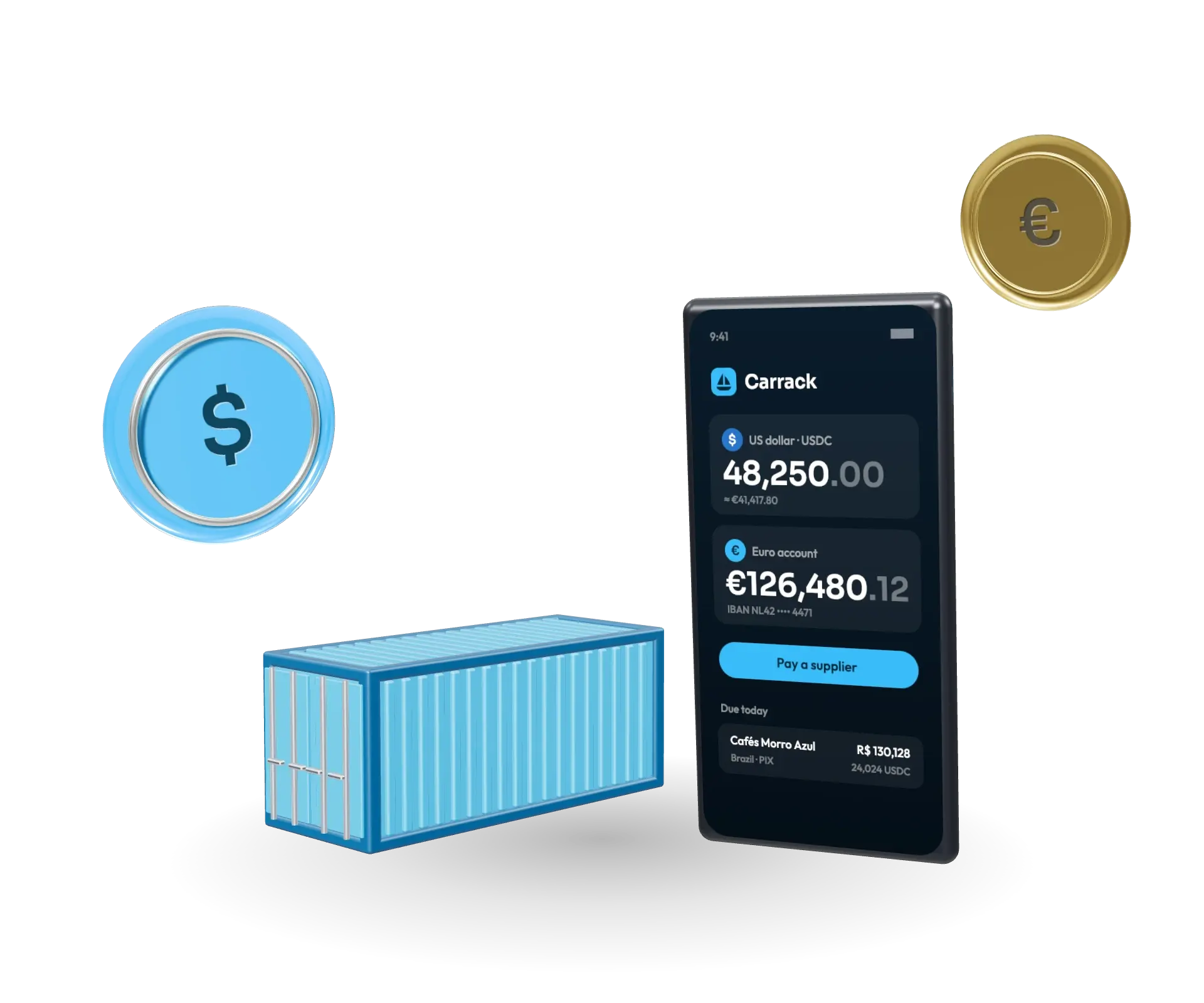 B2B stablecoin paymentsDollars as stablecoins next to a euro IBAN, to pay suppliers abroad and get paid.
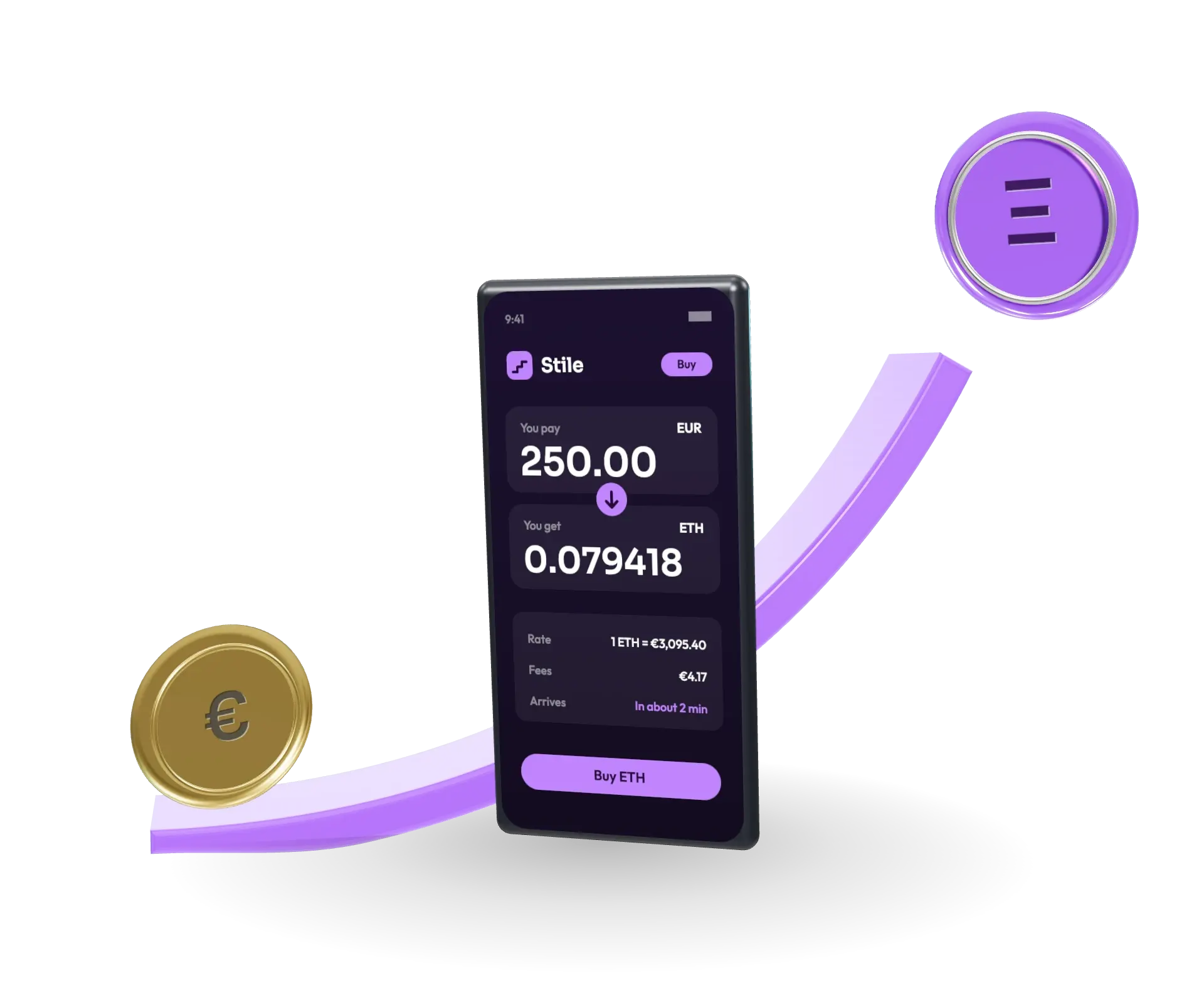 Crypto on-rampLet people buy and sell crypto inside wallets, games and marketplaces, by card, Apple Pay or bank transfer.
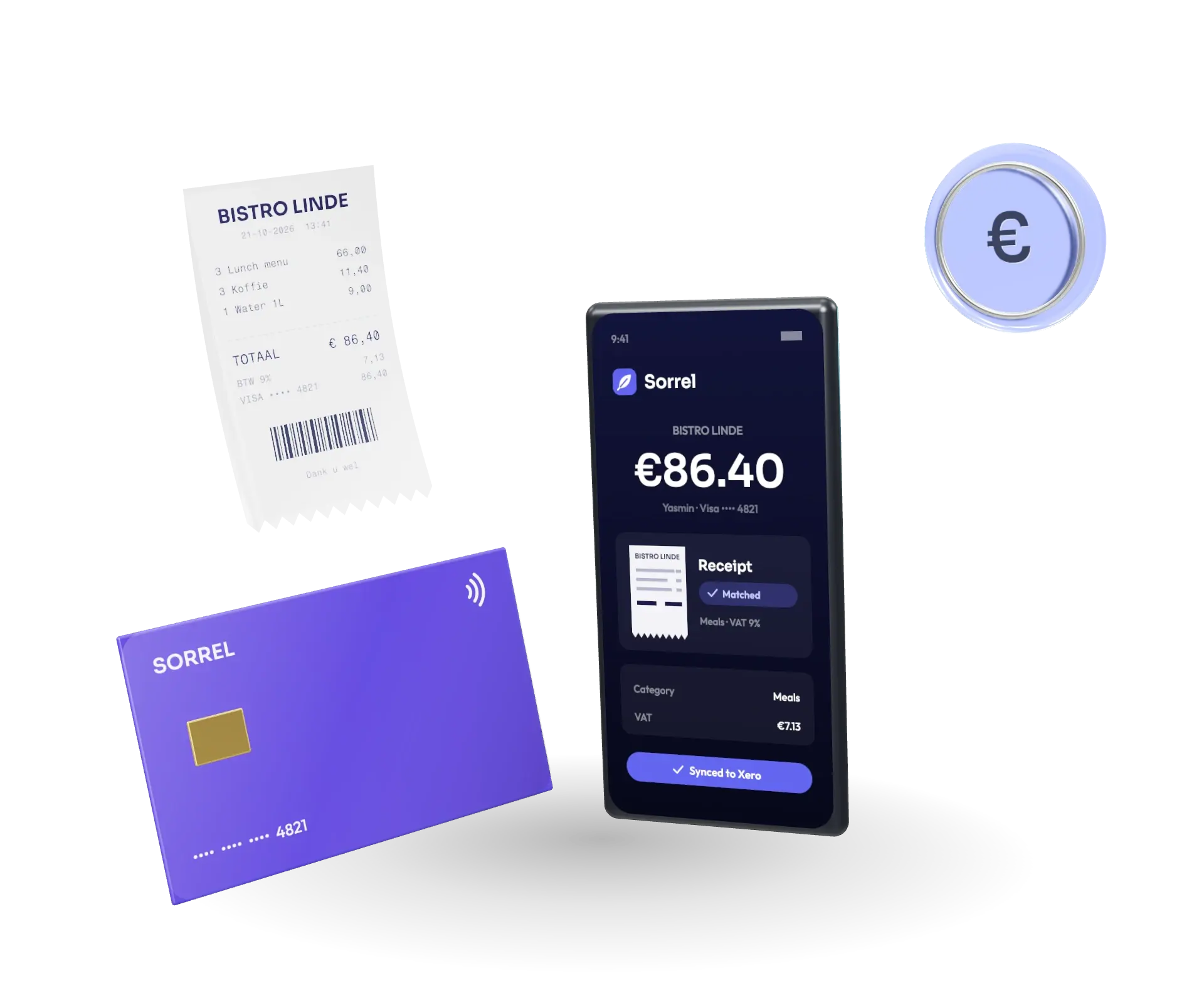 Business accountAn account with its own IBAN, a card for everyone on the team, and every receipt in the books.
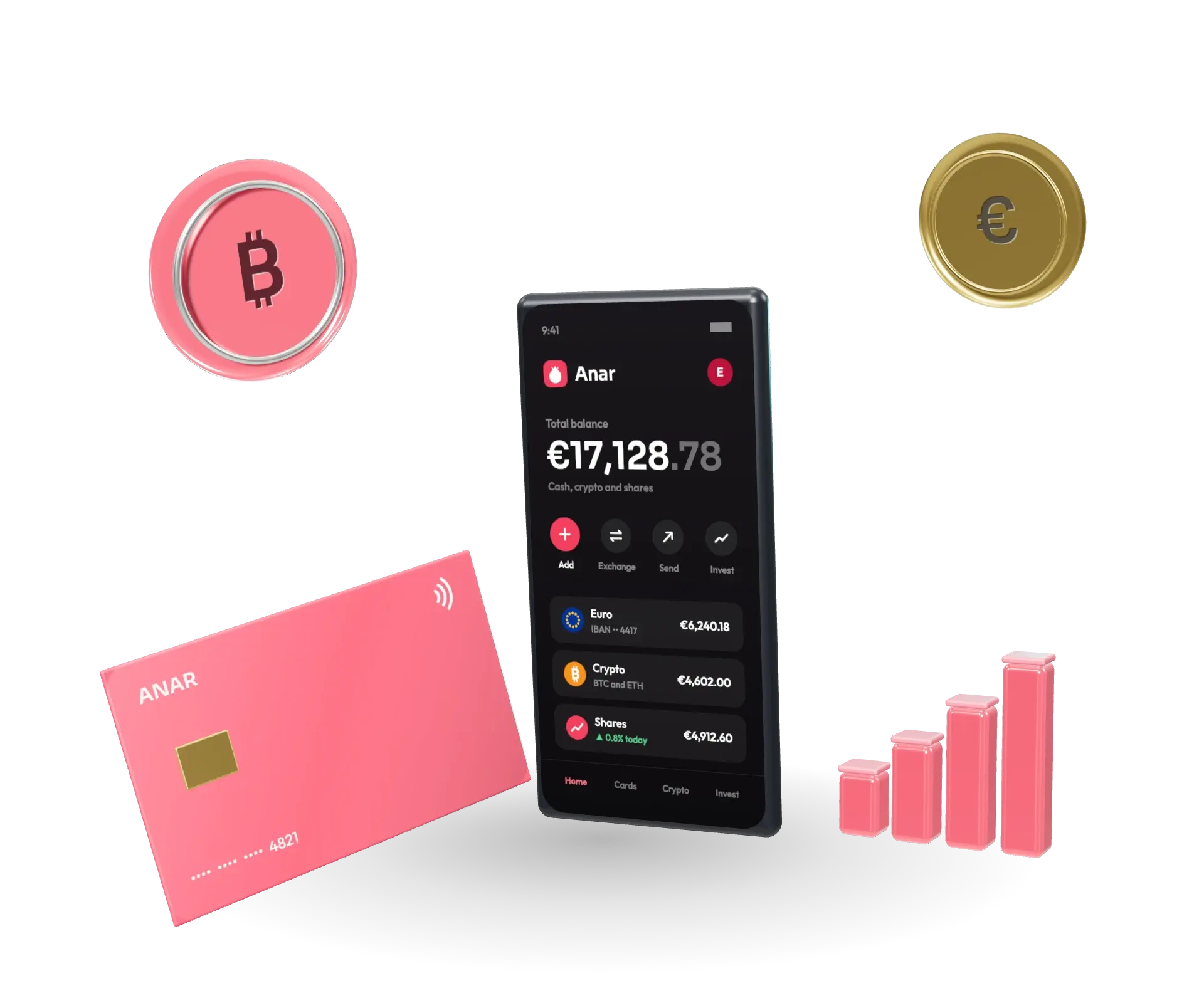 Super appAccounts in several currencies, cards, crypto and shares, in one app under your brand.
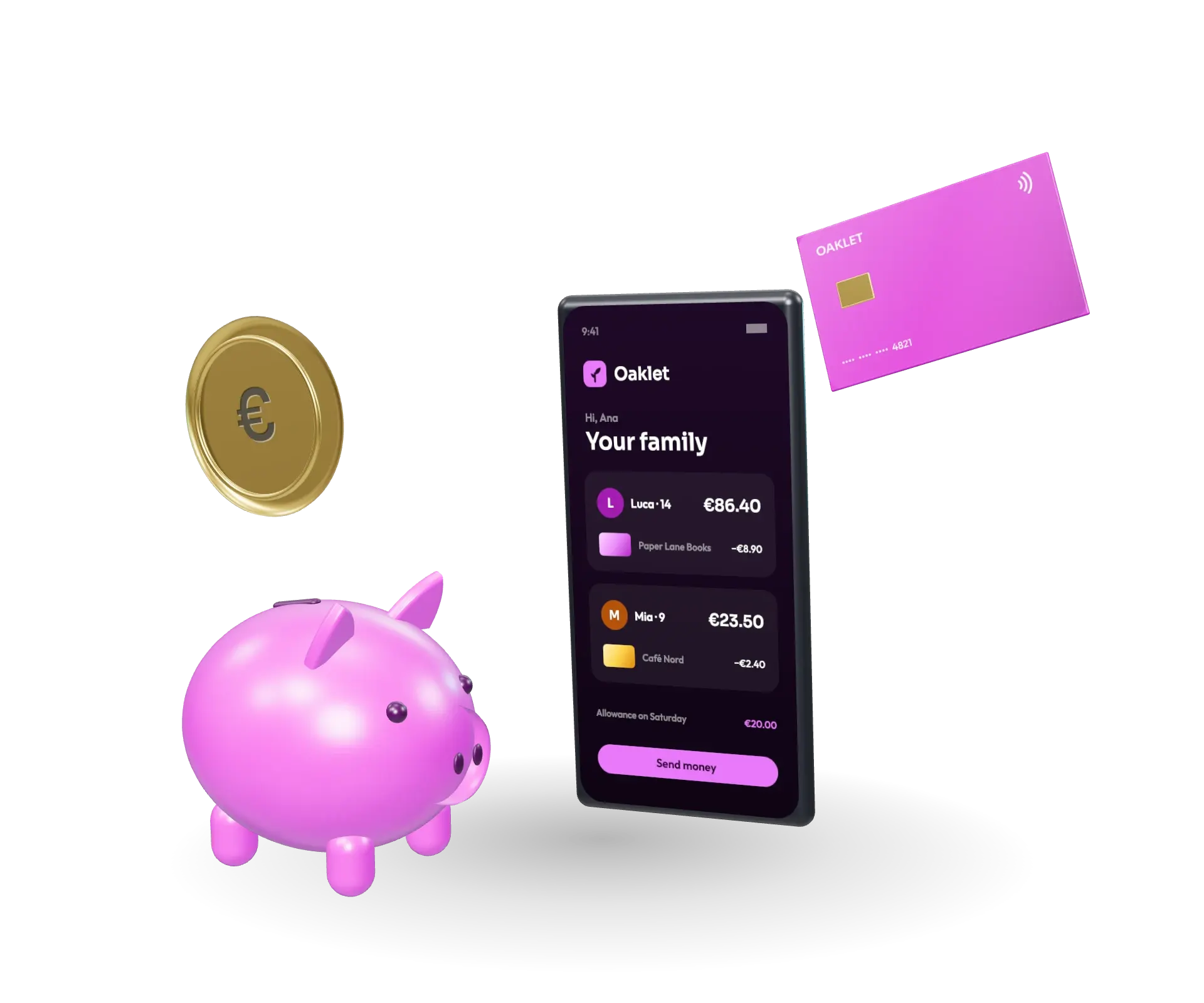 Family banking appAccounts and cards for kids and teens, with the allowance, chores and spending rules set by parents.
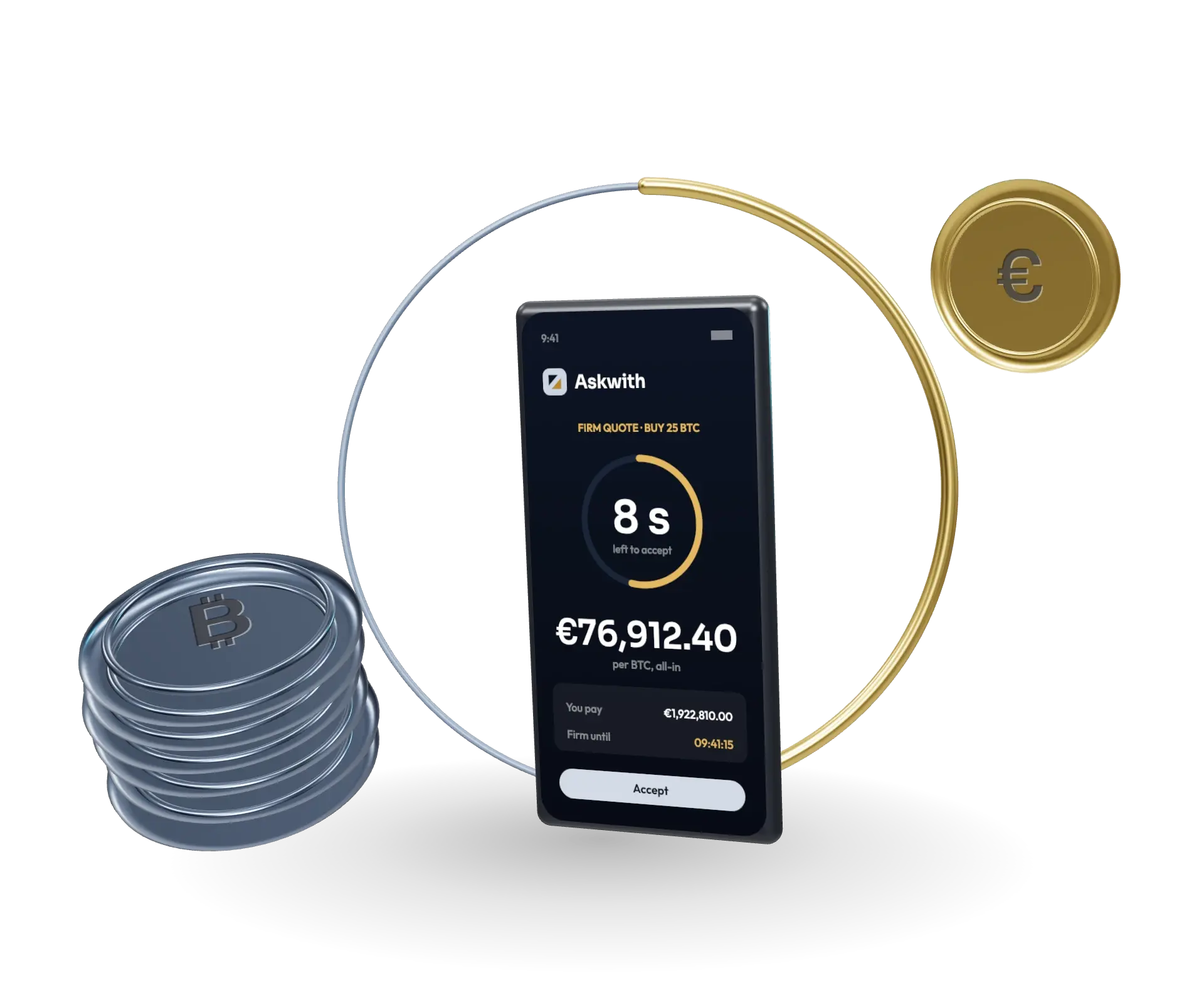 Crypto OTC deskFirm quotes for large crypto trades, settled from custody, under your brand.
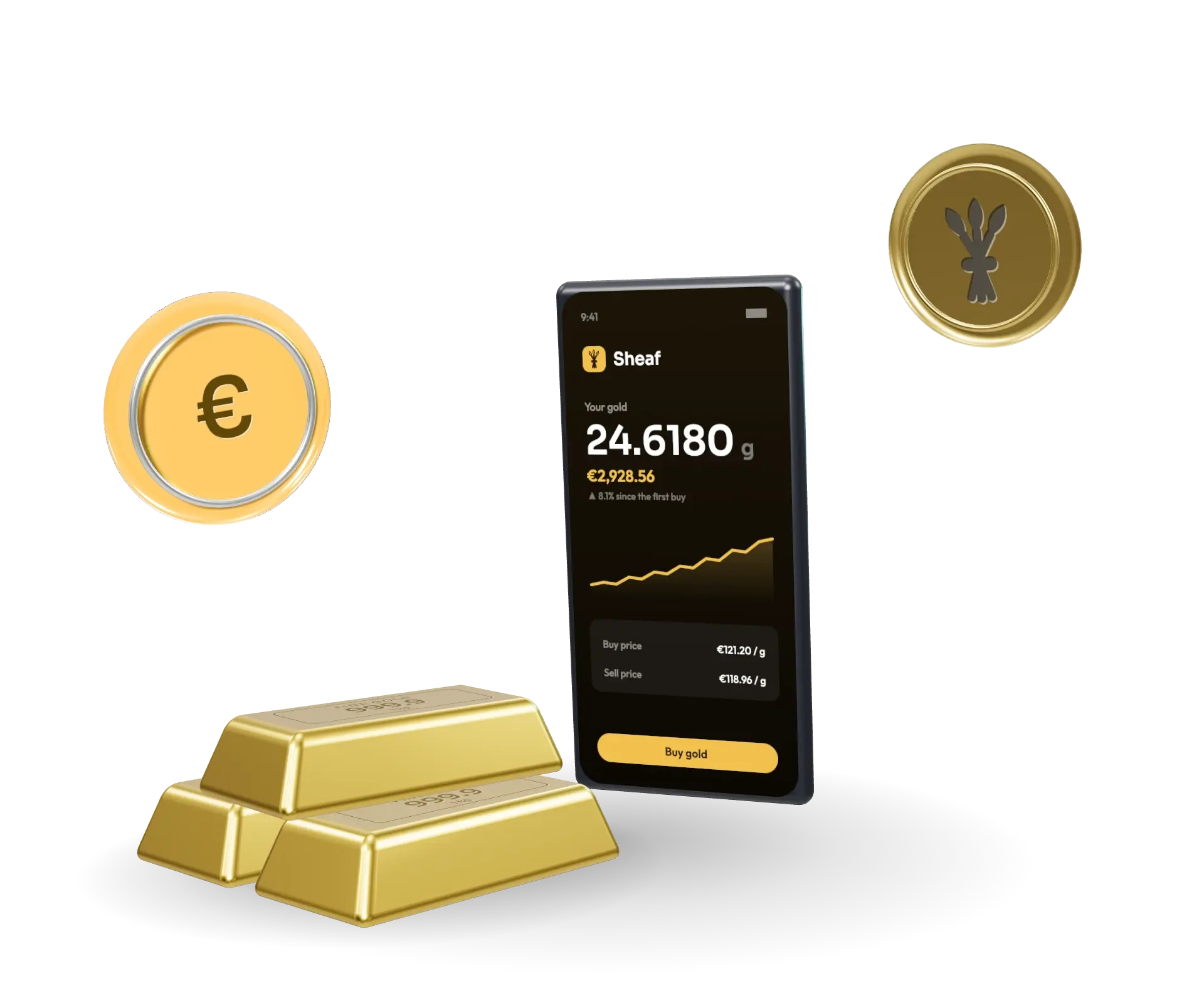 Gold savings appGold by the gram, saved every week or month and sold back to the bank any time.
- Anything else you buildThe same modules assemble into the product you have in mind. Tell us what it is.
Questions
What buyers ask about the Rewards & referrals module.
When does a referral count?
When the conditions your team set are met in the platform's own records, for example the friend passed KYC and made a first card payment within 30 days. A click or a sign-up alone earns nothing. The platform decides, not the referral tool: it tells the tool what really happened, from its server.
Can people refer themselves?
The platform checks every referral against the identities it has verified in KYC / AML and the devices it has seen in Fraud & risk, so a second account for the same person does not earn a reward. Your team reviews what the rules flag, and the caps and budget set in the Backoffice limit what a programme can pay out.
Where do rewards come from, and what happens after a refund?
A money reward is a credit in the Ledger, from a marketing budget account to the customer's balance, so every reward is a ledger entry. Points are kept in the Ledger or in your loyalty engine, as you choose. Gift cards are delivered by a reward delivery provider, and a partner's commission is paid by the affiliate platform, for the customers the platform confirmed from its server. Cashback and points on card spend follow settled payments. A refund, a chargeback or a closed account takes a reward in the Ledger back; a claimed gift card or a paid commission cannot be recalled, so those are released only after the refund period your team set.
Can we run a referral bonus for crypto in the UK, or pay rewards on stablecoin balances in the EU?
Not for retail customers in the UK, as the rules stand. The FCA bans financial promotions of qualifying cryptoassets that offer a retail client any monetary or non-monetary incentive (COBS 4.12A.7R, applied to cryptoassets since 8 October 2023), and its guidance names bonuses for investing, bonuses where a client refers another person and cashback for investing. An incentive only to transfer an existing holding from another platform is allowed. In the EU, MiCA forbids issuers and crypto-asset service providers to grant interest on stablecoins, which it calls e-money tokens and asset-referenced tokens, and treats any benefit related to how long the holder holds the token as interest (Articles 50 and 40). A reward that grows with the time a customer holds a stablecoin is therefore out; whether a reward tied to an event, such as a first payment, is acceptable is for your compliance team to decide. The module switches each programme off per country and per product.
Which referral, affiliate and loyalty providers can we use?
Referral programmes run on Referral Factory, GrowSurf or Friendbuy; affiliate and partner programmes on impact.com, Awin, PartnerStack or Everflow; loyalty and promotions on Talon.One, Voucherify or Open Loyalty; and Runa delivers gift cards. Each programme runs on the tool your growth team prefers. A programme you already run connects as it is, and an in-house rewards engine or points bank becomes one more connector. Card numbers, account numbers and balances never go to any of them. Most referral tools need a first name and an email address for each participant, and receive them only for customers who join the programme.
Do we need the friend's email address or phone number?
No. The customer shares their code or link themselves, through the phone's share sheet, so the platform sends no invitation and holds nothing about the friend. It first hears of them when they apply, with the code on their application. This matters because marketing by email needs the recipient's prior consent in the EU (ePrivacy Directive, Article 13), and a friend you have never dealt with has given none. In the UK, the ICO adds that a firm which encourages customers to send its marketing to friends by email or text is likely to be instigating those messages, with or without a reward, and then needs the friend's consent. Your compliance team decides how the app words the invitation to share in each country.
- MOD-ADM
Backoffice
One console to run the platform: customers, money, risk, content and staff permissions.
+5 10 connectors - MOD-CMP
Compliance reporting
Transaction monitoring, the Travel Rule and regulatory reports, ready for your regulator.
+3 8 connectors - MOD-NTF
Notifications
Email, SMS, push and in-app messages in your brand, through the providers you choose.
+7 12 connectors - MOD-ANL
Analytics & monitoring
Product analytics, attribution, engagement and crash reports, on a tracking plan you control.
+12 17 connectors




















Start your project
Tell us the idea. We'll show you the platform.
One call is enough to map your product to the modules that already exist.
- Response in under one business day
- NDA on request
- No obligation